Vegetarian Meal Plan for One Week: Complete Guide with Recipes and Shopping List
A full 7-day vegetarian meal plan with balanced protein sources, budget-friendly tips, and a complete grocery list. Includes meals the whole family will enjoy, even non-vegetarians.
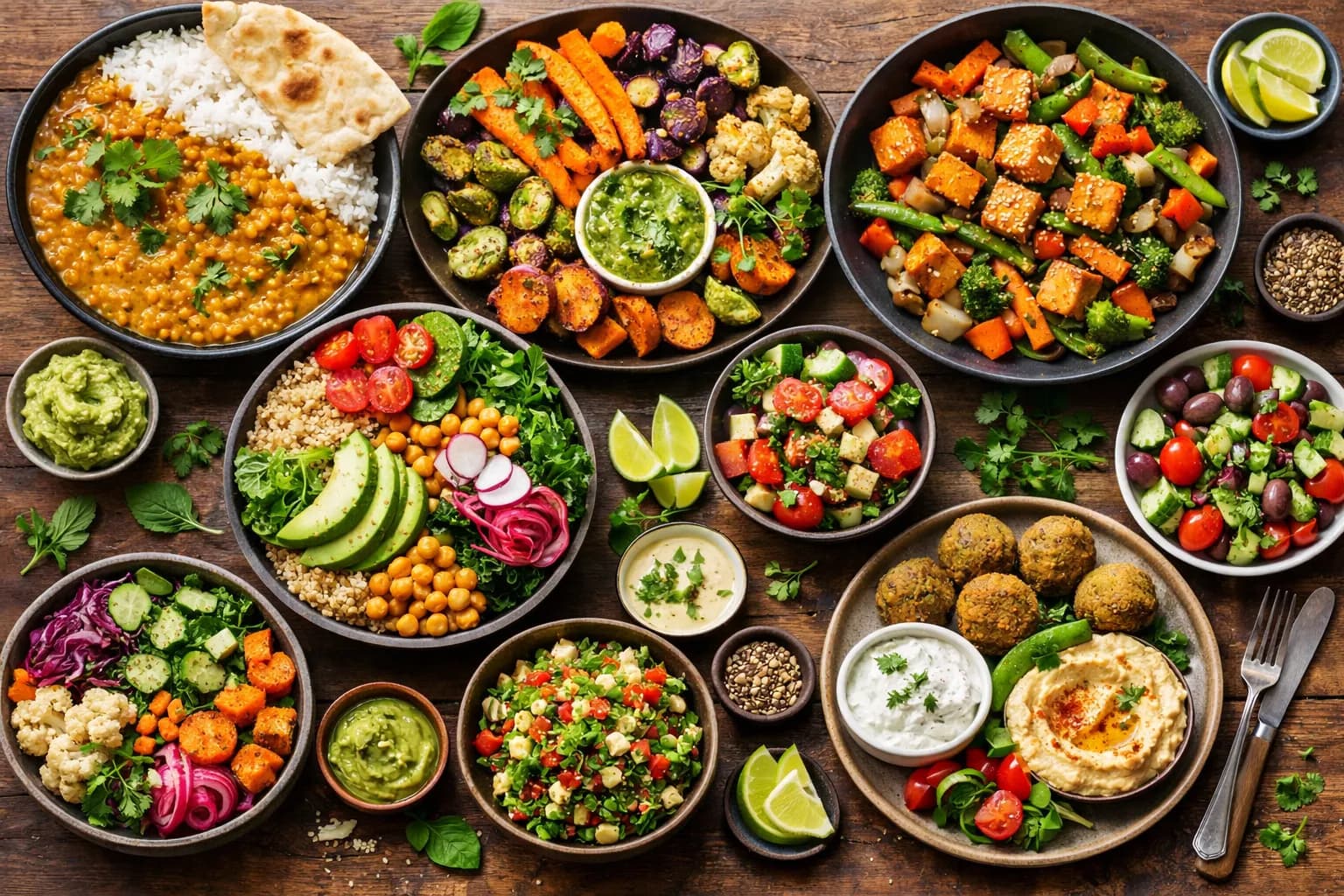
Whether you are a committed vegetarian, exploring plant-based eating for the first time, or simply trying to reduce your meat consumption for health, environmental, or budget reasons, the biggest challenge is the same: figuring out what to eat every night without defaulting to pasta with jarred sauce for the fourth time this week.
Vegetarian cooking is genuinely delicious and satisfying when you plan for it. The problem is that most people approach it by subtraction — take a typical meal and remove the meat — rather than by building meals around ingredients that shine on their own. A chicken stir-fry without the chicken is disappointing. A stir-fry built around crispy tofu, roasted cashews, and a punchy peanut sauce is a meal nobody misses the meat in.
This guide provides a complete seven-day vegetarian meal plan with breakfast, lunch, and dinner for every day. Every meal is designed to provide adequate protein, keep you full and energized, and taste good enough that even confirmed meat-eaters will enjoy it. It also includes a consolidated grocery list and practical tips for making vegetarian eating affordable and sustainable.
The Protein Question (Answered Once and For All)
The single most common concern about vegetarian eating is protein. "But where do you get your protein?" is the question every vegetarian has heard a thousand times. The answer is simpler than most people think.
The recommended daily protein intake for most adults is 0.8 grams per kilogram of body weight, which works out to about 50-65 grams per day for the average person. Athletes and those building muscle need more, in the range of 1.2-1.6 grams per kilogram. Both of these targets are readily achievable on a vegetarian diet without protein supplements.
High-protein vegetarian foods (grams of protein per serving):
- Lentils (1 cup cooked): 18g
- Black beans (1 cup cooked): 15g
- Chickpeas (1 cup cooked): 15g
- Firm tofu (1/2 block, ~7 oz): 21g
- Tempeh (3 oz): 16g
- Greek yogurt (1 cup): 17-20g
- Eggs (2 large): 12g
- Cottage cheese (1 cup): 28g
- Quinoa (1 cup cooked): 8g
- Edamame (1 cup): 17g
- Peanut butter (2 tbsp): 7g
- Cheddar cheese (1.5 oz): 11g
- Almonds (1/4 cup): 7g
The key is not to rely on a single source but to include protein at every meal. Two eggs at breakfast (12g), a lentil soup at lunch (18g), a handful of almonds as a snack (7g), and a tofu stir-fry at dinner (21g) add up to 58 grams without any effort or planning. The meal plan below averages 60-80 grams of protein per day, which exceeds the requirement for most adults.
Ready to simplify your meal planning?
Join UseMealPlanner and get AI-generated recipes tailored to your preferences, dietary needs, and schedule.
Download the AppThe Complete 7-Day Vegetarian Meal Plan
This plan is designed for two people. For a family of four, double the dinner quantities. Every meal uses readily available ingredients, and the week is structured so that several ingredients appear across multiple meals to keep the grocery list manageable and reduce waste.
| Day | Breakfast | Lunch | Dinner |
|---|---|---|---|
| Monday | Overnight oats with almond milk, chia seeds, sliced banana, and a drizzle of peanut butter | Mediterranean chickpea salad with cucumber, tomatoes, red onion, feta, and lemon-olive oil dressing | Black bean tacos with corn tortillas, sauteed peppers and onions, avocado, salsa, and lime crema |
| Tuesday | Scrambled eggs with sauteed spinach and mushrooms on whole grain toast | Leftover black bean taco filling over rice with shredded cheese and salsa | Vegetable pad thai with tofu, rice noodles, bell peppers, carrots, peanuts, and a tamarind-lime sauce |
| Wednesday | Greek yogurt parfait with granola, mixed berries, and honey | Hummus and roasted vegetable wrap with spinach, cucumber, and pickled red onion | Red lentil coconut curry with sweet potato and spinach, served over basmati rice |
| Thursday | Peanut butter and banana smoothie with oat milk and a handful of spinach | Leftover lentil curry over rice with a dollop of yogurt | Caprese pasta with cherry tomatoes, fresh mozzarella, basil, garlic, and olive oil |
| Friday | Two-egg omelet with bell peppers, onion, and cheddar cheese | Big Greek salad with chickpeas, olives, feta, and pita bread on the side | Crispy baked falafel with tzatziki, pickled vegetables, and warm pita |
| Saturday | Whole wheat pancakes with fresh berries and maple syrup | Grilled cheese with tomato soup (use canned or make a quick blended version) | Mushroom and spinach risotto with parmesan cheese |
| Sunday | Veggie-loaded frittata with potatoes, zucchini, tomatoes, and goat cheese | Leftover risotto reheated with a fried egg on top and a side salad | Stuffed bell peppers with quinoa, black beans, corn, tomatoes, and melted cheese |
Monday
Tuesday
Wednesday
Thursday
Friday
Saturday
Sunday
How the Week Is Structured
The plan follows several principles that make vegetarian meal planning practical rather than theoretical.
Protein is distributed across every meal. Monday starts with peanut butter in the overnight oats (7g), chickpeas at lunch (15g), and black beans at dinner (15g). No single meal carries the full protein load.
Leftovers are planned, not accidental. Monday's black bean filling becomes Tuesday's lunch bowl. Wednesday's lentil curry becomes Thursday's lunch. Saturday's risotto becomes Sunday's lunch. This halves the number of meals you actually need to cook.
Variety comes from global cuisines. Mexican (tacos, stuffed peppers), Thai (pad thai), Indian (lentil curry), Middle Eastern (falafel), Italian (caprese pasta, risotto), and Mediterranean (Greek salad, chickpea salad) traditions all have deep vegetarian roots. Drawing from these traditions means you are cooking from recipes that were designed to be meatless, not adapted from meat-centric dishes.
Complexity varies by day. Tuesday and Thursday dinners (pad thai and caprese pasta) are quick and simple. Saturday's risotto requires more attention. The busier nights get the easier meals.
Budget-Friendly Vegetarian Eating
One of the most compelling reasons to eat more vegetarian meals is cost. Plant proteins are dramatically cheaper than animal proteins, and this price difference compounds over an entire week of eating.
The Cost Advantage of Plants
A pound of dried lentils costs about $1.50 and yields roughly eight servings of cooked lentils. A pound of chicken breast costs $4-6 and yields four servings. A pound of beef is $6-10 for four servings. A block of firm tofu costs $2-3 and provides four generous servings.
When you build a week of meals around legumes, eggs, tofu, and dairy rather than meat, your protein budget drops by 40-60 percent. The money saved on protein can go toward better produce, higher quality cheese, or simply staying under budget.
The Budget Grocery List for This Meal Plan
Here is the consolidated grocery list for the week above, organized by category with approximate costs for two people.
Produce (~$18-22)
- 3 bell peppers (red, green, yellow)
- 1 large onion plus 1 red onion
- 1 head garlic
- 1 bag spinach (10 oz)
- 1 bunch fresh basil
- 2 avocados
- 4 bananas
- 1 pint cherry tomatoes plus 2 regular tomatoes
- 2 cucumbers
- 1 zucchini
- 8 oz mushrooms
- 2 sweet potatoes
- 3 regular potatoes
- 2 carrots
- 1 lemon, 2 limes
- Fresh berries (1 pint)
Proteins and Dairy (~$14-18)
- 1 block firm tofu
- 1 dozen eggs
- Greek yogurt (32 oz container)
- Feta cheese (8 oz)
- Fresh mozzarella (8 oz)
- Cheddar cheese (8 oz block)
- Goat cheese (4 oz)
- Parmesan cheese (small wedge)
Pantry and Grains (~$12-16)
- Dried red lentils (1 lb)
- 2 cans black beans
- 2 cans chickpeas
- Basmati rice (2 lb bag)
- Quinoa (if not in pantry)
- Pasta (1 lb)
- Rice noodles (8 oz)
- Corn tortillas
- Pita bread (1 package)
- Whole grain bread
- Oats
- Canned coconut milk (1 can)
- Canned diced tomatoes (1 can)
- Tomato soup (1 can, or canned tomatoes to blend)
- Peanut butter
- Hummus (or tahini to make your own)
- Olives (small jar)
- Arborio rice (for risotto)
- Salsa (1 jar)
- Vegetable broth (1 carton)
Already in Most Pantries
- Olive oil, soy sauce or tamari, cumin, chili powder, paprika, garlic powder, salt, pepper, maple syrup, honey, vinegar, granola
Estimated total: $44-56 for two people for the entire week. That is $3-4 per person per day for three meals. A comparable week with meat-based dinners would typically run $65-85 for two.
Tip
Buy dried beans and lentils instead of canned to save even more. A one-pound bag of dried black beans costs under $2 and yields the equivalent of about three and a half cans. The trade-off is time: dried beans need soaking (overnight or quick-soak) and cooking (1-2 hours). Lentils are the exception — they cook in 20-25 minutes without soaking, making them the most convenient dried legume.
Essential Vegetarian Cooking Techniques
How to Cook Tofu That Actually Tastes Good
Bad tofu is a top reason people give up on vegetarian cooking. The key is moisture removal and high heat.
-
Press the tofu. Wrap a block of firm or extra-firm tofu in a clean kitchen towel and place a heavy pan or books on top for 15-30 minutes. This squeezes out excess water. More water out means more flavor in and better texture.
-
Cut into the right shape. Cubes for stir-fries, slabs for sandwiches, crumbled for taco filling. The shape affects the ratio of crispy surface to soft interior.
-
Get the pan very hot. Use a nonstick or well-seasoned cast iron pan with a tablespoon of oil over medium-high heat. Place the tofu pieces in a single layer and do not touch them for 3-4 minutes until the bottom is golden brown. Flip and repeat.
-
Season aggressively. Tofu is a blank canvas. It absorbs whatever flavors you give it. Soy sauce, sesame oil, garlic, ginger, chili flakes, nutritional yeast, smoked paprika — all work well. Marinating cubed tofu for 30 minutes before cooking takes it from bland to deeply flavored.
How to Make Legumes the Star of a Meal
Beans and lentils are nutritional powerhouses, but they can also be bland and mushy if handled poorly. The difference between mediocre and excellent legume cooking comes down to three things.
Season the cooking liquid. When cooking dried beans or lentils, add aromatics to the water: a halved onion, a few crushed garlic cloves, a bay leaf, and salt (add salt after the first 20 minutes for beans, immediately for lentils). This infuses flavor from the inside out rather than just coating the surface.
Do not overcook. Lentils go from perfectly tender to mush in about five minutes. Start checking red lentils at 15 minutes, green and brown lentils at 20 minutes, and black lentils at 25 minutes. They should be tender but still hold their shape, unless you are making a soup or dal where you want them broken down.
Build layers of flavor. A pot of plain beans is a side dish. A pot of beans sauteed with onion, garlic, cumin, and smoked paprika, then simmered with tomatoes and finished with lime juice and cilantro, is a meal. The technique is the same as building any good dish: start with aromatics, add spices, introduce liquid, and finish with brightness (acid, fresh herbs).
How to Build a Satisfying Grain Bowl
Grain bowls are the Swiss Army knife of vegetarian cooking. They are endlessly customizable, use up leftover ingredients, and reliably produce a balanced meal. The formula is:
- Base (1 cup): Cooked rice, quinoa, farro, or couscous
- Protein (1/2 to 1 cup): Beans, lentils, tofu, tempeh, or eggs
- Vegetables (1+ cups): A mix of raw and cooked — roasted sweet potato, sauteed greens, raw cucumber, pickled onions, shredded carrots
- Crunch: Toasted nuts, seeds, or crispy chickpeas
- Sauce: Tahini dressing, peanut sauce, chimichurri, or a simple lemon-olive oil drizzle
The reason this formula works is that it hits every texture and flavor note in one bowl: chewy grains, creamy protein, crunchy vegetables, and a rich or bright sauce to tie it together. Once you internalize this template, you can build a satisfying grain bowl from almost anything in your fridge.
Handling Common Vegetarian Challenges
"I Am Still Hungry After Vegetarian Meals"
This is almost always a protein or fat problem, not a volume problem. If your vegetarian meal is pasta with marinara and a salad, you have plenty of carbohydrates and fiber but not enough protein or healthy fat to sustain you for hours.
The fix: Add a protein source to every meal (beans to the pasta, chickpeas to the salad, eggs on the side). Include a source of healthy fat (avocado, olive oil, nuts, cheese). Fat and protein slow digestion and keep you full. A vegetarian meal with 20+ grams of protein and a serving of healthy fat will keep you satisfied just as long as any meat-based meal.
"My Family Will Not Eat Vegetarian"
Many families resist vegetarian meals because they associate meatless eating with deprivation or "diet food." The solution is to lead with meals that happen to be vegetarian rather than meals that are defined by what they are missing.
Tacos are tacos whether filled with beef or seasoned black beans. Pizza is pizza whether topped with sausage or roasted vegetables and fresh mozzarella. Pad thai is pad thai whether made with chicken or tofu. Most kids and reluctant partners do not object to vegetarian food. They object to the idea of vegetarian food.
Start with the meals from this plan that are the most universally appealing: tacos, pasta, grilled cheese with tomato soup, pizza (add it as a substitute for any dinner), and fried rice. These are crowd-pleasers regardless of what is or is not in them.
"Vegetarian Cooking Takes Too Long"
Some vegetarian recipes are time-intensive (risotto, homemade falafel from scratch), but most are faster than meat-based cooking because you eliminate the step of safely handling and thoroughly cooking raw meat.
A black bean taco dinner takes about 15 minutes: heat the beans with spices, warm the tortillas, chop the toppings. Caprese pasta takes 20 minutes: boil pasta, halve the tomatoes, toss everything together with fresh mozzarella and basil. A lentil curry takes 30 minutes because lentils cook fast without soaking.
The key is to keep a few genuinely quick vegetarian meals in your rotation for busy nights. Eggs in any form (omelet, frittata, scramble), pasta with a simple sauce, and bean tacos are all 15-20 minute dinners that require no advance planning.
Making Ingredient Swaps Work
Vegetarian cooking often requires substituting ingredients, whether because you are out of something, accommodating an allergy, or adapting a recipe for a vegan family member. Some swaps are straightforward (black beans for kidney beans), while others need more care (replacing eggs in baking).
Common vegetarian swaps that work reliably:
- Any bean for any other bean in tacos, soups, salads, and bowls (black beans, kidney beans, pinto beans, and chickpeas are interchangeable in most contexts)
- Tofu for tempeh and vice versa (adjust cooking method — tempeh benefits from slicing thin and pan-frying; tofu from pressing and cubing)
- Any grain for any other grain as a bowl base (rice, quinoa, farro, couscous, and bulgur all work similarly)
- Coconut milk for heavy cream in curries and soups (for vegan adaptation)
- Nutritional yeast for parmesan (provides a similar umami, cheesy flavor for vegan dishes)
For substitutions you are less sure about, the Ingredient Substitution Finder can suggest alternatives that maintain the texture and flavor profile of the original recipe. This is particularly useful when adapting a recipe for dietary restrictions like vegan, nut-free, or soy-free.
Free Tool
Ingredient Substitution Finder
Find reliable ingredient swaps for any dietary need without sacrificing flavor.
Beyond the First Week: Building a Vegetarian Rotation
One week of planned vegetarian meals is a great start. But like any meal planning system, the real power comes from building a rotation over time. After cooking through this plan, you will have seven dinners you know work. The following week, keep four or five favorites and swap in two or three new recipes.
Good sources for expanding your rotation:
- Indian cuisine: Dal (lentil stew), chana masala (chickpea curry), palak paneer (spinach with cheese), aloo gobi (potato and cauliflower)
- Mexican cuisine: Enchiladas with bean filling, veggie burrito bowls, chilaquiles, black bean soup
- East Asian cuisine: Mapo tofu, vegetable fried rice, miso soup with tofu, vegetable dumplings
- Mediterranean cuisine: Shakshuka (eggs in tomato sauce), spanakopita (spinach pie), stuffed grape leaves, white bean stew
- Italian cuisine: Eggplant parmesan, cacio e pepe, minestrone, gnocchi with pesto
Within a month or two, you will have 15-20 vegetarian dinners in your rotation. At that point, meal planning takes five minutes because you are simply choosing from a list of known winners. If you are new to meal planning entirely, the Meal Planning for Beginners Complete Guide walks through the full process of building and maintaining a weekly meal plan from scratch.
Vegetarian Meal Planning on a Student Budget
If you are cooking on a tight budget, vegetarian eating is actually your greatest ally. Dried beans, lentils, rice, oats, and eggs are among the cheapest foods per calorie and per gram of protein in any grocery store. A week of vegetarian eating for one person can cost as little as $20-30 if you lean heavily on these staples.
The ultra-budget vegetarian staples:
- Dried lentils and beans (under $2/lb, each pound makes 6-8 servings)
- Rice (under $1/lb for large bags)
- Oats (under $3 for a large canister that lasts weeks)
- Eggs (the most affordable complete protein available)
- Frozen vegetables (often cheaper than fresh, with zero waste)
- Bananas, onions, garlic, potatoes, carrots (the cheapest produce year-round)
- Canned tomatoes (the backbone of countless sauces and stews)
The Weekly Meal Plan for a Family of 4 on a Budget provides additional strategies for keeping grocery costs low, many of which apply directly to vegetarian planning.
A Note on Nutrition
A well-planned vegetarian diet provides all the nutrients most people need. However, there are a few nutrients that require conscious attention.
Vitamin B12 is found almost exclusively in animal products. Lacto-ovo vegetarians (who eat eggs and dairy) generally get enough from these sources. If you are moving toward vegan eating, a B12 supplement or fortified foods (nutritional yeast, fortified plant milks) is important.
Iron from plant sources (non-heme iron) is less readily absorbed than iron from meat (heme iron). Eating iron-rich foods (lentils, spinach, fortified cereals) alongside vitamin C-rich foods (citrus, tomatoes, bell peppers) significantly improves absorption. The lentil curry with tomatoes in this meal plan is a good example of this pairing in action.
Omega-3 fatty acids in the form found in fish (EPA and DHA) are not present in a vegetarian diet. The plant form (ALA, found in flaxseed, chia seeds, and walnuts) converts to EPA and DHA at low rates. Including ground flaxseed or chia seeds daily (both appear in this plan's breakfasts) helps, though some vegetarians choose to supplement with algae-based omega-3s.
Zinc is less bioavailable from plant sources. Good vegetarian zinc sources include pumpkin seeds, chickpeas, lentils, cashews, and oats — all of which appear in this plan.
None of these nutritional considerations should discourage vegetarian eating. They simply require the same kind of planning that any balanced diet benefits from, and having a structured meal plan makes it easy to cover all your bases without thinking about it meal by meal.
Key Takeaway
A successful one-week vegetarian meal plan is built around meals that are designed to be meatless rather than adapted from meat-centric recipes. Distribute protein across every meal using legumes, tofu, eggs, dairy, and quinoa to stay full and energized. Draw from global cuisines like Indian, Mexican, Thai, and Mediterranean that have centuries of vegetarian cooking tradition. Plan leftovers intentionally so that each dinner feeds you twice. On a budget, vegetarian eating is one of the most affordable ways to eat well — a full week of meals for two can cost under $55 by leaning on dried beans, lentils, rice, eggs, and seasonal produce.
Ready to simplify your meal planning?
Join UseMealPlanner and get AI-generated recipes tailored to your preferences, dietary needs, and schedule.
Download the App