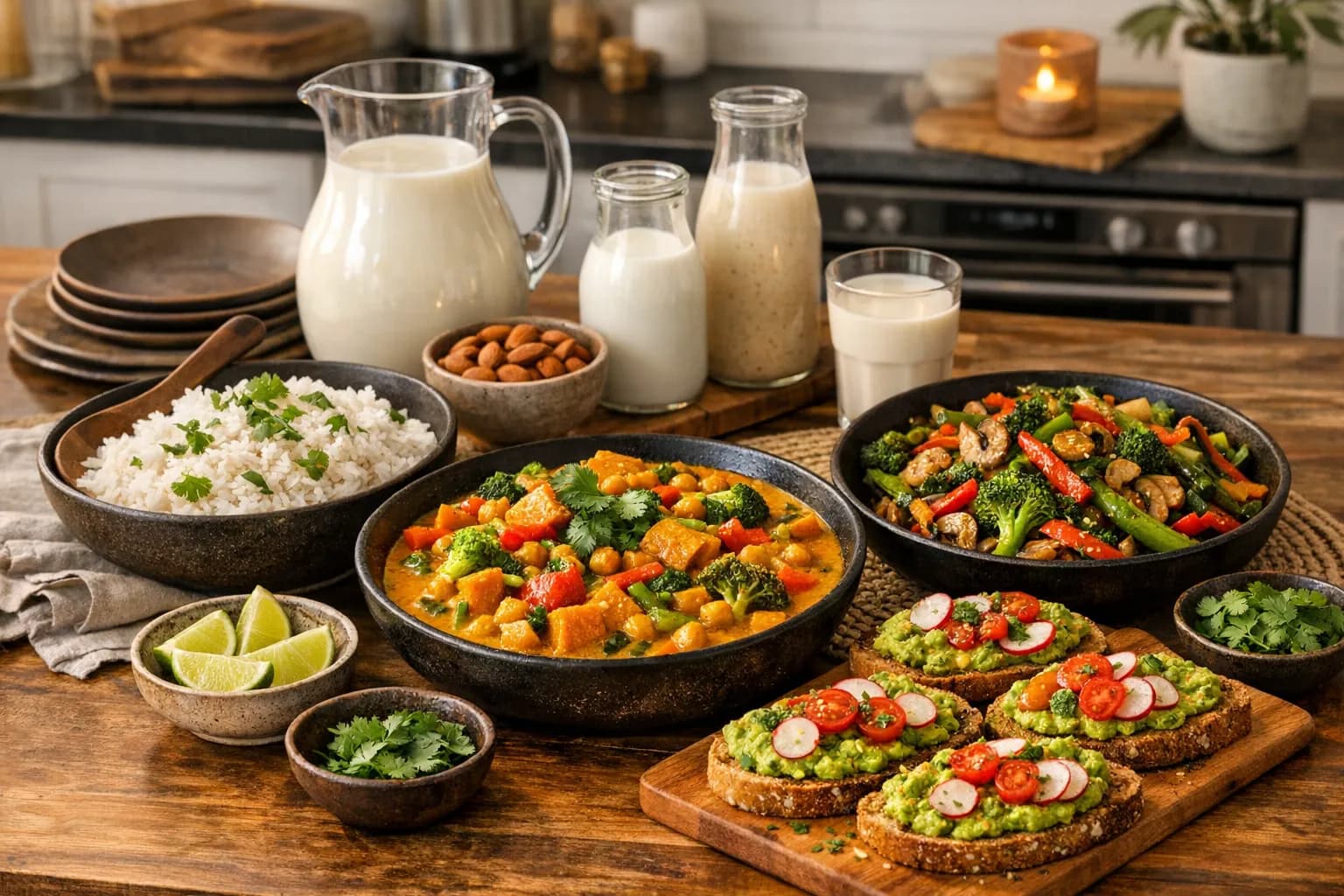
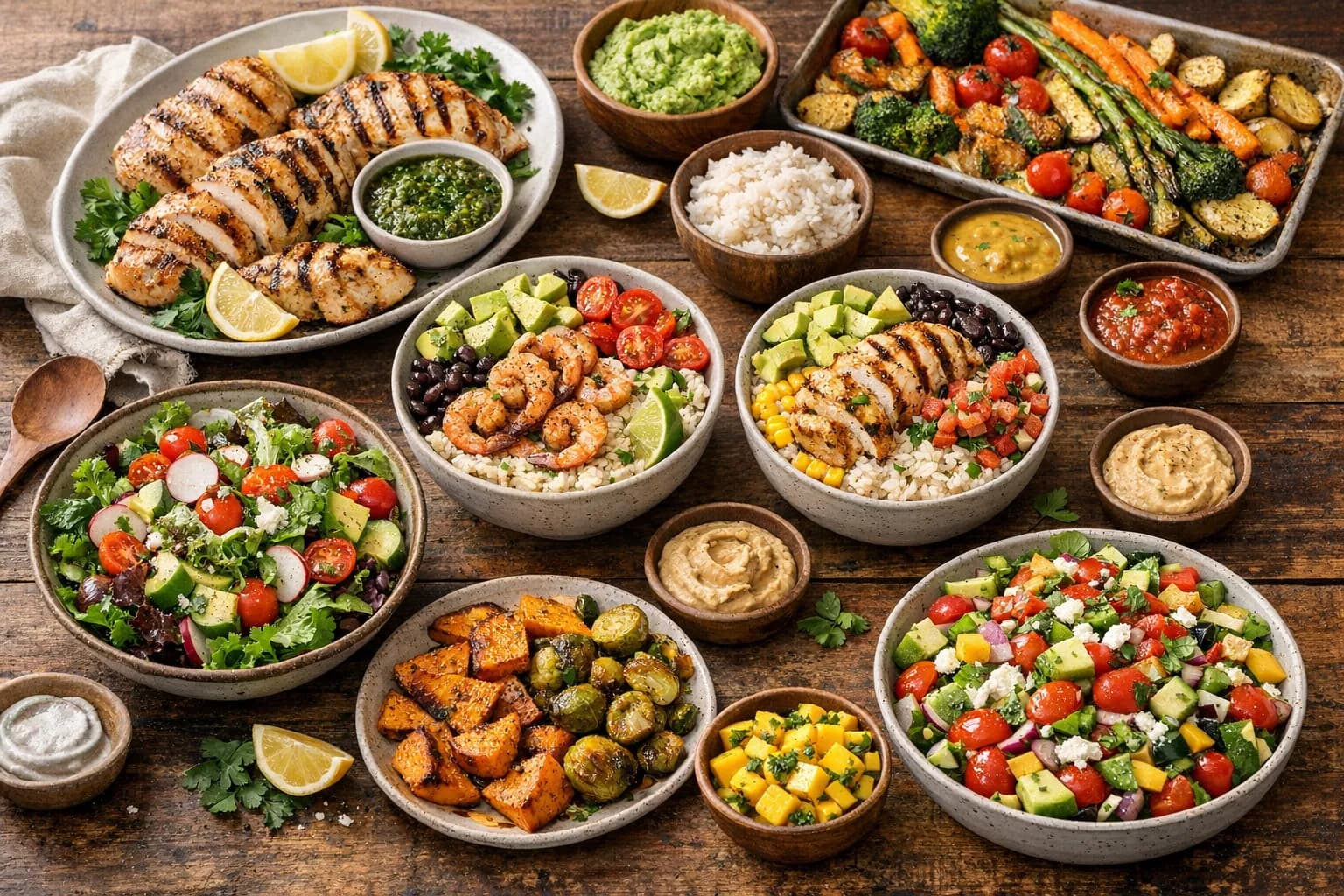
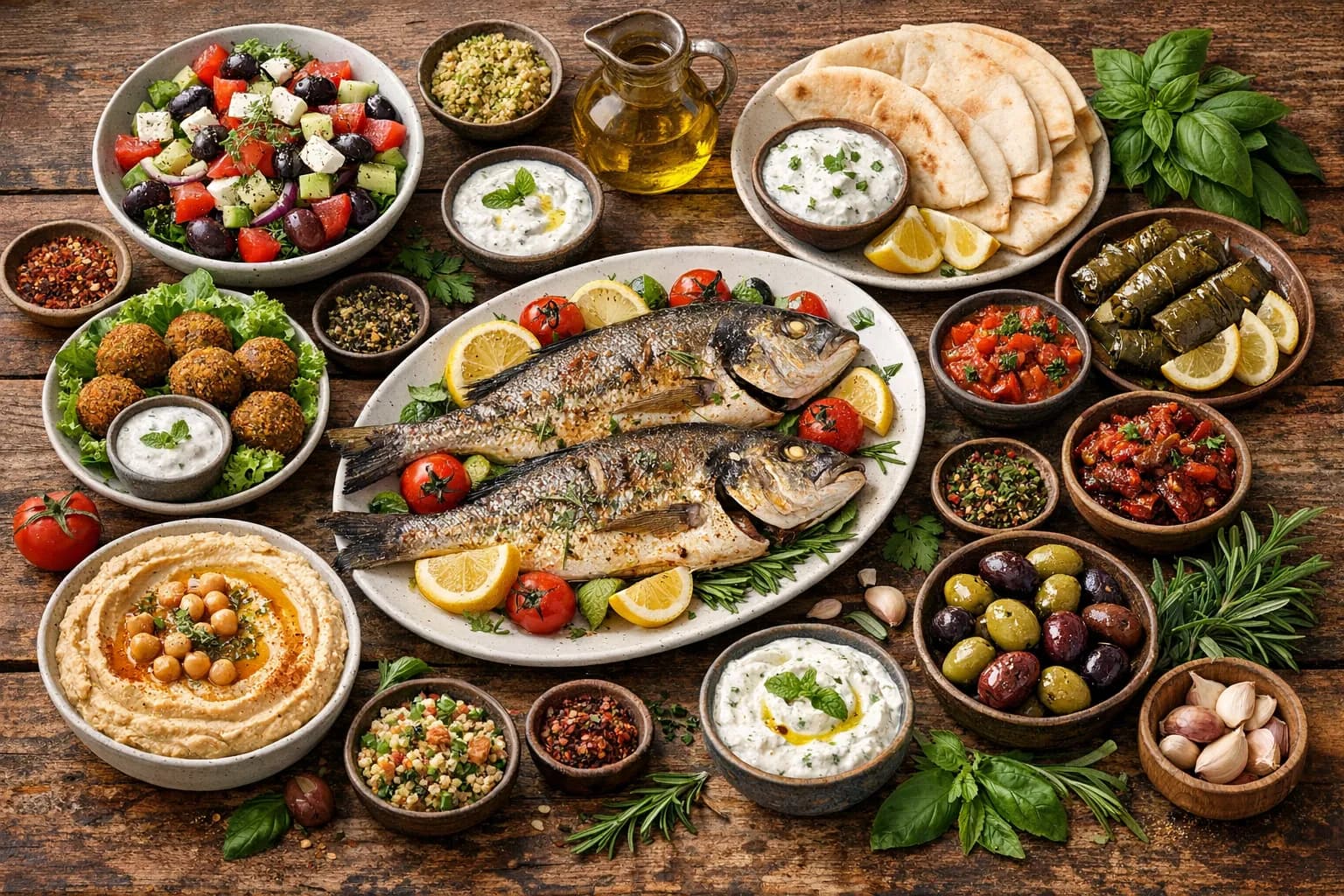
Anti-Inflammatory Diet Meal Plan: A 7-Day Guide Backed by Science
A complete 7-day anti-inflammatory diet meal plan built around proven inflammation-fighting foods. Includes what to eat, what to avoid, and practical recipes for every meal.
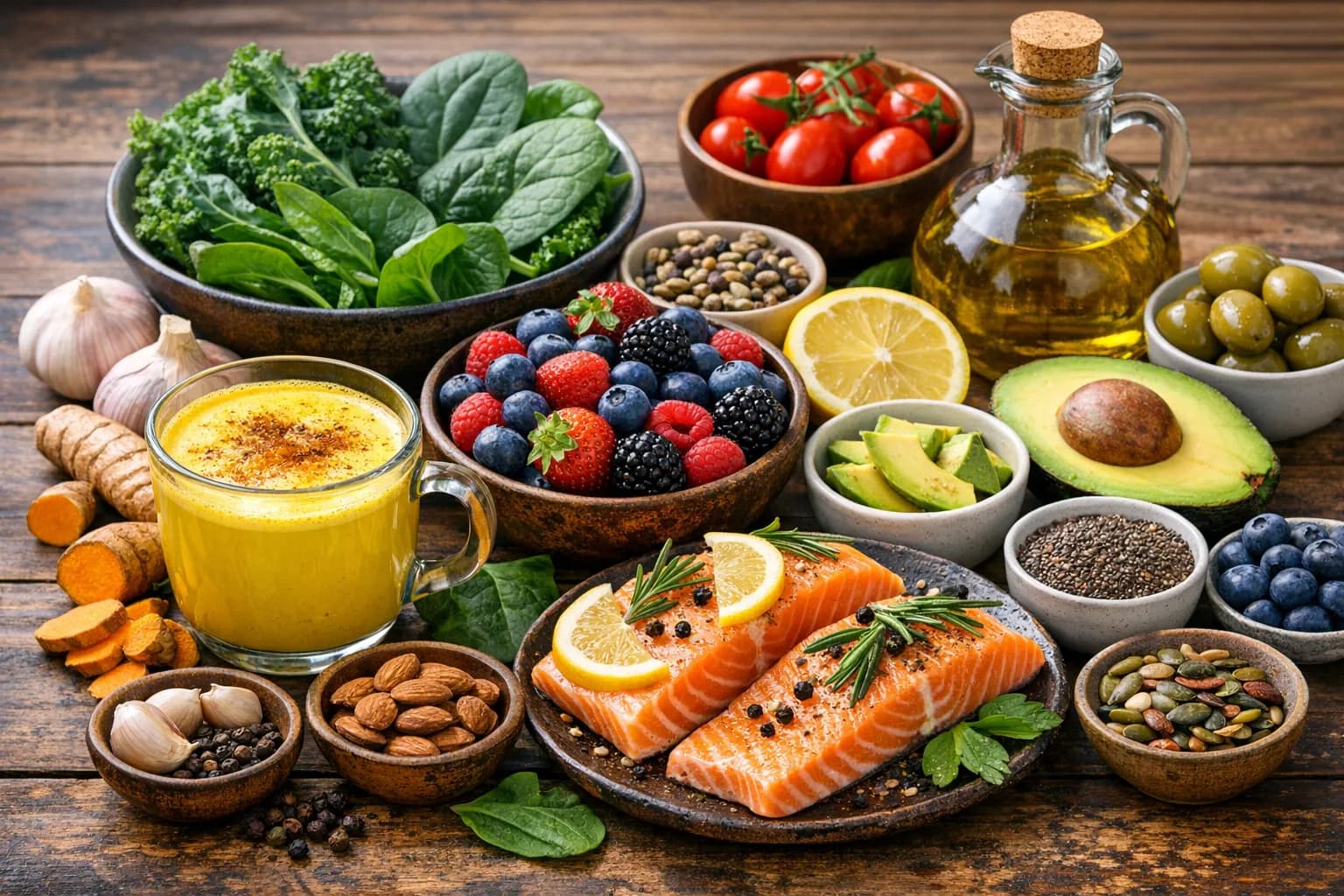
Chronic inflammation is one of the most well-documented drivers of long-term health problems. Heart disease, type 2 diabetes, certain cancers, Alzheimer's, and autoimmune conditions like rheumatoid arthritis all share a common thread: persistent, low-grade inflammation that simmers in the body for months or years before symptoms appear.
The encouraging news is that what you eat has a direct, measurable effect on your body's inflammatory response. Research published in the Journal of the American College of Cardiology and dozens of supporting studies consistently show that specific dietary patterns can either fuel inflammation or suppress it. You do not need supplements or exotic superfoods. You need a consistent way of eating built around whole, nutrient-dense ingredients that your body recognizes and processes well.
This guide gives you a science-backed seven-day meal plan, a clear breakdown of which foods fight inflammation and which ones promote it, and practical strategies for making anti-inflammatory eating sustainable rather than a short-lived experiment.
The Science of Anti-Inflammatory Foods
Not all anti-inflammatory foods work the same way. Understanding the mechanisms helps you make better choices when building your own meals beyond this plan.
Omega-3 Fatty Acids
Fatty fish like salmon, mackerel, sardines, and anchovies are the most potent dietary source of EPA and DHA, two omega-3 fatty acids that directly inhibit the production of pro-inflammatory cytokines and eicosanoids. The research here is not ambiguous: a 2019 meta-analysis in the British Medical Journal found that higher omega-3 intake was associated with significantly lower markers of systemic inflammation, including C-reactive protein (CRP) and interleukin-6 (IL-6).
Aim for two to three servings of fatty fish per week. If you do not eat fish, walnuts, flaxseeds, chia seeds, and hemp seeds provide alpha-linolenic acid (ALA), a plant-based omega-3 that your body partially converts to EPA and DHA.
Polyphenols and Antioxidants
Berries (blueberries, strawberries, blackberries, raspberries), dark leafy greens, dark chocolate, green tea, and extra virgin olive oil are all rich in polyphenols, compounds that neutralize free radicals and modulate inflammatory pathways. Blueberries alone contain over a dozen distinct anti-inflammatory compounds, including anthocyanins, which give them their deep color and have been shown to reduce NF-kB activation, a key driver of inflammatory gene expression.
Extra virgin olive oil deserves special attention. It contains oleocanthal, a compound that works through the same biochemical pathway as ibuprofen. A tablespoon of quality extra virgin olive oil provides roughly 10 percent of an ibuprofen dose's anti-inflammatory effect. That is not a replacement for medication, but consumed daily across meals, the cumulative effect is meaningful.
Curcumin and Ginger
Turmeric's active compound, curcumin, is one of the most studied natural anti-inflammatory agents. It inhibits NF-kB, reduces CRP levels, and modulates several inflammatory enzymes. The catch is bioavailability: curcumin is poorly absorbed on its own. Consuming it with black pepper (which contains piperine) increases absorption by approximately 2,000 percent. Fat also improves absorption, which is why turmeric works particularly well in curries cooked with oil or coconut milk.
Ginger contains gingerols and shogaols, which suppress prostaglandin synthesis through the same COX-2 pathway targeted by many anti-inflammatory drugs. Fresh ginger in cooking, grated into smoothies, or steeped as tea all deliver meaningful amounts.
Ready to simplify your meal planning?
Join UseMealPlanner and get AI-generated recipes tailored to your preferences, dietary needs, and schedule.
Download the AppFoods That Drive Inflammation
Knowing what to add is only half the equation. These foods are consistently associated with increased inflammatory markers in clinical research.
Refined Sugar and High-Fructose Corn Syrup
Sugar triggers the release of inflammatory messengers called cytokines. A 2018 study in the American Journal of Clinical Nutrition found that participants who consumed sugary beverages daily had significantly higher CRP levels than those who did not. The biggest culprits are sugar-sweetened drinks, candy, pastries, and the hidden sugar in processed sauces, yogurts, and cereal.
Refined Carbohydrates
White bread, white pasta, white rice, and most packaged snack foods have been stripped of their fiber, which means they spike blood sugar rapidly. These blood sugar spikes trigger an insulin response that promotes the production of pro-inflammatory compounds. Whole grains, which retain their fiber and nutrients, do not cause the same response.
Processed and Ultra-Processed Foods
Packaged snacks, fast food, processed meats (bacon, hot dogs, deli meats), and ready-to-eat meals often contain trans fats, excess sodium, preservatives, and refined oils that independently promote inflammation. Processed meats are particularly problematic: the World Health Organization classifies them as a Group 1 carcinogen, and their consumption is consistently linked to elevated inflammatory markers.
Industrial Seed Oils
Soybean oil, corn oil, sunflower oil, and other omega-6-heavy oils are not inherently toxic, but the modern diet contains far too much omega-6 relative to omega-3. This imbalance shifts the body toward a pro-inflammatory state. You do not need to eliminate these oils entirely, but replacing them with extra virgin olive oil, avocado oil, or coconut oil for most cooking tasks shifts the ratio in the right direction.
Excessive Alcohol
Moderate alcohol consumption (particularly red wine, which contains the polyphenol resveratrol) may have some anti-inflammatory properties, but the threshold is low. More than one drink per day for women or two for men is consistently associated with increased gut permeability ("leaky gut") and elevated inflammatory markers. For the purposes of this meal plan, alcohol is excluded, but an occasional glass of red wine with dinner is not going to undermine your efforts.
Tip
You do not need to be perfect. Research shows that it is the overall dietary pattern that matters, not individual meals. If 80 to 90 percent of your diet consists of anti-inflammatory whole foods, the occasional slice of cake or bag of chips will not meaningfully increase your baseline inflammation. Sustainability matters more than perfection.
The 7-Day Anti-Inflammatory Meal Plan
This plan emphasizes fatty fish, leafy greens, berries, nuts, seeds, olive oil, turmeric, ginger, and whole grains while avoiding processed foods, refined sugars, and industrial seed oils. Every meal is designed to be practical and genuinely enjoyable, not punitive.
| Day | Breakfast | Lunch | Dinner |
|---|---|---|---|
| Monday | Overnight oats with chia seeds, blueberries, walnuts, and a drizzle of raw honey | Massaged kale salad with chickpeas, avocado, cherry tomatoes, and lemon-olive oil dressing | Baked salmon with roasted sweet potatoes and steamed broccoli drizzled with extra virgin olive oil |
| Tuesday | Turmeric golden milk smoothie with banana, ginger, almond butter, and black pepper | Quinoa bowl with roasted beets, arugula, pumpkin seeds, goat cheese, and balsamic vinaigrette | Chicken and vegetable curry with turmeric, ginger, coconut milk, spinach, and brown rice |
| Wednesday | Mixed berry bowl with Greek yogurt, ground flaxseed, and a handful of almonds | Leftover chicken curry over greens with avocado slices | Mackerel fillets with roasted cauliflower, cherry tomatoes, capers, and olive oil |
| Thursday | Green smoothie with spinach, frozen mango, ginger, chia seeds, and coconut water | Lentil soup with carrots, celery, turmeric, and a squeeze of lemon | Turkey meatballs with zucchini noodles in homemade marinara with fresh basil |
| Friday | Avocado toast on whole grain sourdough with everything seasoning and microgreens | Leftover lentil soup with a side of mixed greens and olive oil | Herb-crusted baked cod with roasted Brussels sprouts and wild rice pilaf |
| Saturday | Sweet potato and spinach frittata with fresh herbs | Mediterranean plate with hummus, cucumber, olives, cherry tomatoes, whole grain pita, and feta | Grilled chicken thighs with chimichurri, roasted asparagus, and quinoa |
| Sunday | Buckwheat pancakes with fresh strawberries, a drizzle of maple syrup, and chopped walnuts | Salmon salad with mixed greens, avocado, radishes, and a ginger-sesame dressing | One-pot turmeric chicken with sweet potatoes, kale, and coconut milk |
Monday
Tuesday
Wednesday
Thursday
Friday
Saturday
Sunday
How the Plan Works
Fatty fish appears three times. Monday's salmon, Wednesday's mackerel, and Friday's cod deliver consistent omega-3 intake throughout the week. Sunday's lunch uses leftover salmon, so you only cook fish three times.
Turmeric and ginger show up daily. Sometimes in cooking (curries, soups, the Sunday one-pot), sometimes in smoothies or golden milk. The combination with black pepper and fat ensures bioavailability.
Every meal includes at least one serving of vegetables. Leafy greens (kale, spinach, arugula), cruciferous vegetables (broccoli, cauliflower, Brussels sprouts), and colorful produce (sweet potatoes, beets, tomatoes) provide a broad spectrum of polyphenols.
Berries are the default fruit. They appear in breakfasts throughout the week because they have the highest polyphenol content per calorie of any fruit category.
Olive oil is the primary cooking fat. It replaces butter, vegetable oil, and other cooking fats in almost every meal. Use it for roasting, sauteing, and as a finishing drizzle.
Leftovers are built in. Tuesday's curry becomes Wednesday's lunch. Thursday's lentil soup carries into Friday. This reduces cooking time and food waste.
Building an Anti-Inflammatory Pantry
Keeping these staples on hand makes anti-inflammatory cooking feel effortless rather than like a special project.
Proteins
- Canned wild salmon and sardines for quick meals when you cannot get fresh fish
- Chicken thighs (more affordable and more forgiving than breasts)
- Dried lentils and canned chickpeas for plant-based protein
- Eggs from pasture-raised hens if your budget allows (higher omega-3 content)
- Plain Greek yogurt for breakfasts and as a sour cream replacement
Fats
- Extra virgin olive oil as your everyday cooking and finishing oil
- Avocado oil for higher-heat cooking
- Raw nuts: walnuts (highest omega-3 content of any nut), almonds, pistachios
- Seeds: chia, flax (ground for better absorption), hemp, pumpkin
- Avocados for salads, smoothies, toast, and as a garnish
Spices and Flavor
- Turmeric (ground and fresh root if available)
- Ginger (fresh root keeps for weeks in the freezer and grates easily from frozen)
- Garlic (fresh; the allicin in garlic has its own anti-inflammatory properties)
- Cinnamon (especially Ceylon cinnamon; anti-inflammatory and helps regulate blood sugar)
- Black pepper (always pair with turmeric)
- Cumin, oregano, rosemary, thyme for versatile seasoning
Grains and Starches
- Quinoa and brown rice as whole grain bases
- Sweet potatoes (rich in beta-carotene, a potent antioxidant)
- Whole grain or sourdough bread (sourdough's fermentation process reduces phytic acid)
- Rolled oats (not instant) for overnight oats and baking
Produce to Always Have
- Dark leafy greens: kale, spinach, arugula
- Berries: buy frozen in bulk for smoothies and oatmeal toppings
- Cruciferous vegetables: broccoli, cauliflower, Brussels sprouts, cabbage
- Alliums: onions, garlic, leeks (contain quercetin, a powerful anti-inflammatory flavonoid)
- Lemons and limes for dressings and finishing dishes
If you need to swap any ingredient in this plan for an allergy, preference, or availability reason, the Ingredient Substitution Finder can suggest anti-inflammatory alternatives that preserve the nutritional intent of the original recipe.
Making Anti-Inflammatory Eating Sustainable
The biggest risk with any dietary change is the enthusiasm gap: you are motivated during week one, less so during week two, and back to old habits by week three. Here is how to avoid that.
Start With Additions, Not Restrictions
Instead of eliminating every inflammatory food on day one, start by adding anti-inflammatory foods to what you already eat. Have your usual breakfast, but add a handful of blueberries. Use your regular dinner recipe, but swap vegetable oil for olive oil. Cook your normal stir-fry, but add a teaspoon of turmeric and a pinch of black pepper. These additions are low-friction and create momentum.
Cook in Batches
The Sunday prep approach from Easy Meal Prep for Working Parents applies perfectly here. Cook a big pot of quinoa, roast a sheet pan of vegetables, and make a large batch of lentil soup on the weekend. These become building blocks for the week. When healthy food is already prepared and waiting in the fridge, you eat it. When it requires 45 minutes of cooking after a long day, you order pizza.
Build a Four-Week Rotation
This seven-day plan is your starting point. After the first week, keep the meals that worked best for your family and swap in new recipes for the ones that did not land. Within a month, you will have 20 to 25 reliable anti-inflammatory meals in rotation, and meal planning becomes a quick rearrangement rather than a research project.
Track How You Feel, Not Just What You Eat
Many people notice reduced joint stiffness, better energy levels, improved digestion, and clearer skin within two to three weeks of consistent anti-inflammatory eating. Keep a brief daily note of how you feel physically. These tangible improvements become your motivation to continue, far more effective than abstract knowledge about cytokines.
The Anti-Inflammatory and Mediterranean Connection
If the anti-inflammatory diet sounds familiar, it should. It overlaps substantially with the Mediterranean diet, which has decades of research supporting its health benefits. Both emphasize olive oil, fatty fish, vegetables, fruits, nuts, whole grains, and legumes. Both minimize processed foods, refined sugar, and red meat.
The main difference is emphasis. The anti-inflammatory approach is more deliberately targeted at foods with proven effects on specific inflammatory pathways, while the Mediterranean diet is a broader cultural eating pattern. In practice, following either one will significantly reduce your inflammatory markers.
For a complementary approach to budget-friendly healthy eating that shares many of the same principles, the Weekly Meal Plan for a Family of 4 on a Budget demonstrates how to eat whole, unprocessed foods without spending a fortune.
An AI meal planner can make this transition significantly easier. Instead of searching for anti-inflammatory recipes one by one, you can set your dietary preferences in UseMealPlanner and generate a full week of meals that follow these principles automatically. The recipes are built around whole, anti-inflammatory ingredients rather than being conventional recipes with substitutions bolted on.
Key Takeaway
An effective anti-inflammatory diet centers on fatty fish (two to three servings per week), colorful berries, dark leafy greens, extra virgin olive oil as your primary cooking fat, and daily use of turmeric with black pepper and ginger. Avoid processed foods, refined sugar, and excess omega-6 seed oils. You do not need to be perfect: consistently eating 80 to 90 percent anti-inflammatory whole foods will meaningfully reduce your inflammatory markers over time. Start by adding anti-inflammatory foods to your current diet rather than trying to overhaul everything at once, and track how you feel physically to stay motivated.
Ready to simplify your meal planning?
Join UseMealPlanner and get AI-generated recipes tailored to your preferences, dietary needs, and schedule.
Download the App