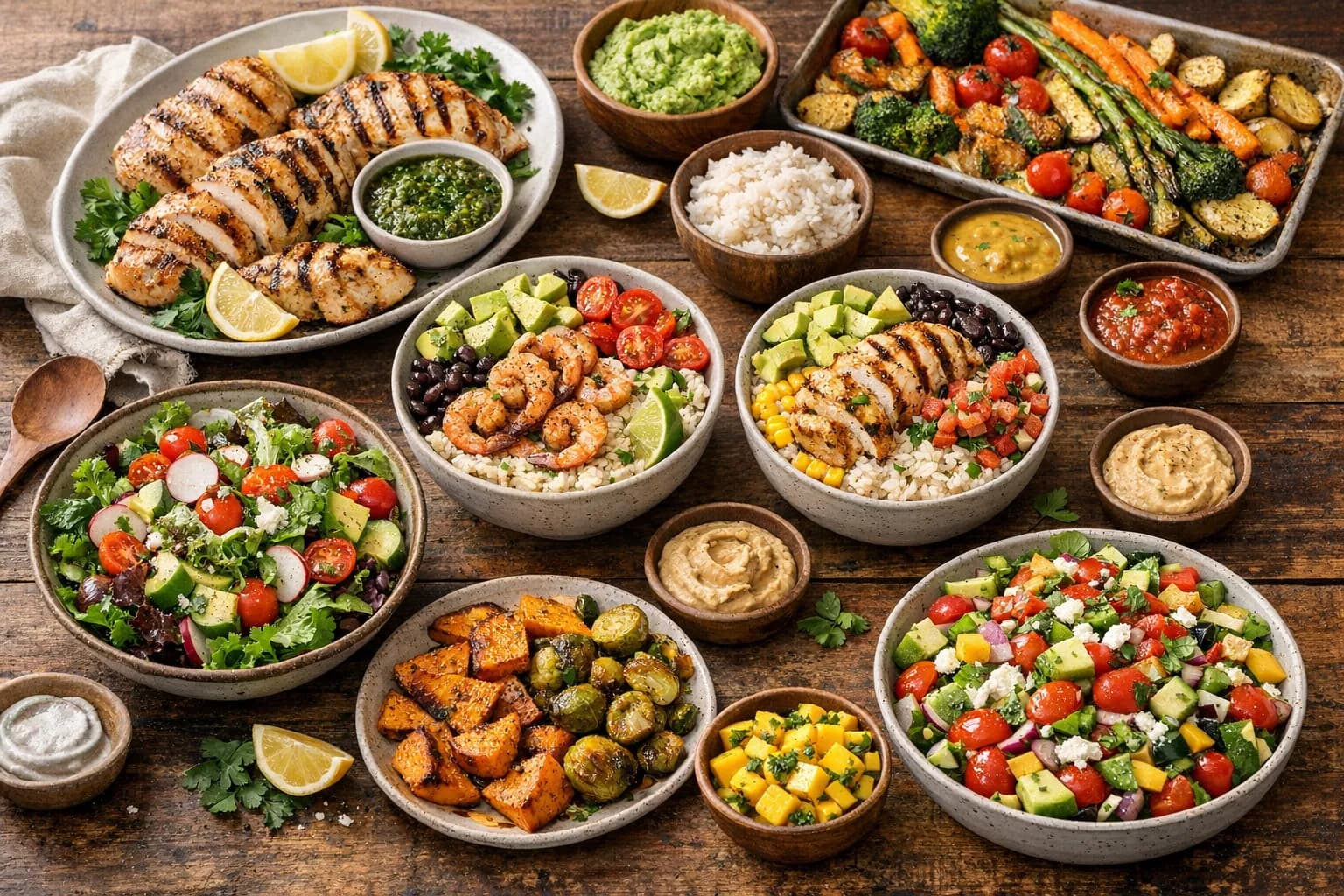
Dairy-Free Meal Plan for Families: A Complete 7-Day Guide
A practical 7-day dairy-free family meal plan with calcium-rich alternatives, milk substitutions for cooking, and kid-approved recipes the whole family will enjoy.
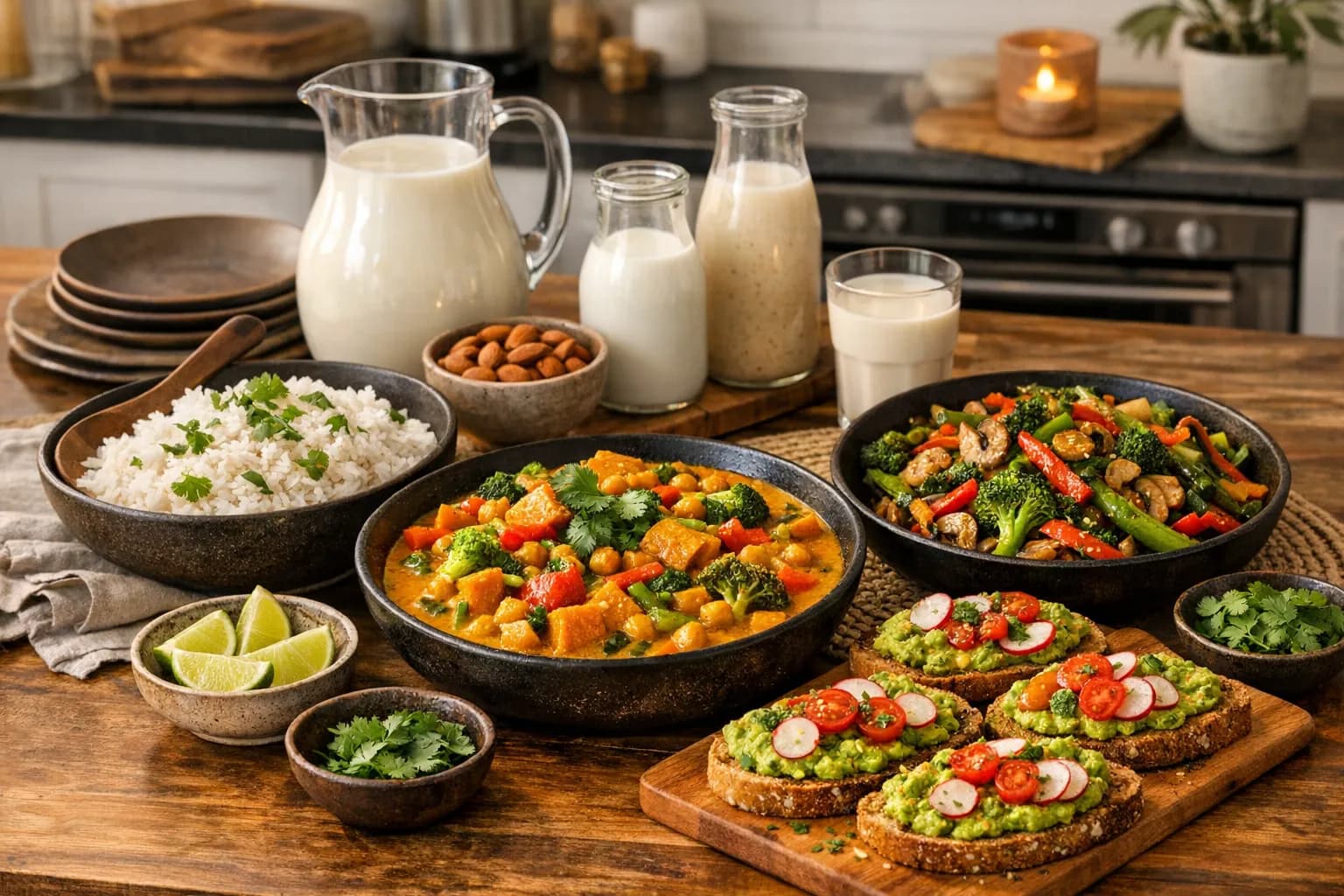
Going dairy-free as a family, whether because of a lactose intolerance, a milk protein allergy, an autoimmune protocol, or a personal health decision, feels overwhelming at first. Dairy is woven into nearly every category of everyday cooking: cheese on pasta, butter in baking, milk in cereal, yogurt for snacks, cream in sauces. Remove it all at once, and it can feel like you are starting from scratch.
But here is what most families discover after the first couple of weeks: dairy-free cooking is not about finding substitutes for every dairy product you used to buy. It is about shifting toward meals that never needed dairy in the first place. Asian cuisines, Mexican food built on corn tortillas and avocado, Mediterranean dishes anchored by olive oil, and most protein-and-vegetable combinations are naturally dairy-free. You are not cooking with restrictions. You are cooking differently.
This guide gives you a complete seven-day meal plan, a practical overview of calcium alternatives so nobody misses out nutritionally, the best milk and butter substitutions for cooking and baking, and strategies for getting the whole family on board without nightly negotiations.
Understanding Dairy-Free Nutrition
The first concern most parents have about removing dairy is calcium. It is a valid concern but an easily solved one. Dairy is the most common calcium source in the Western diet, but it is far from the only one.
Calcium Without Dairy
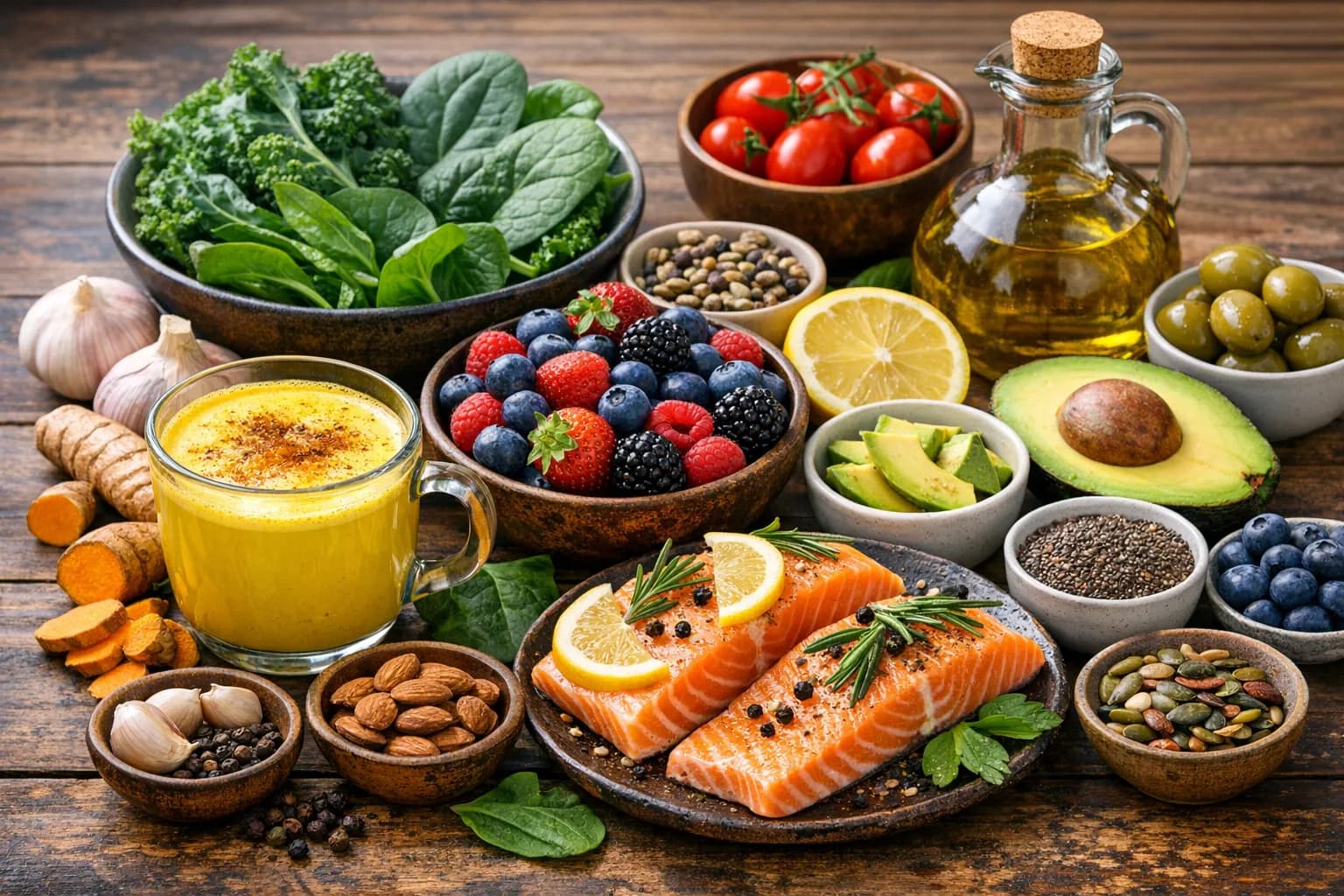
The recommended daily calcium intake is about 1,000 mg for adults and 1,300 mg for children ages 9 to 18. Here are non-dairy sources that can comfortably meet those targets:
- Fortified plant milks (soy, almond, oat): Most are fortified to match or exceed cow's milk at roughly 300 mg per cup. Shake the carton before pouring, as calcium can settle to the bottom.
- Canned salmon and sardines (eaten with bones): 3 ounces of canned salmon provides about 180 mg of calcium. The soft bones are edible and barely noticeable.
- Tofu made with calcium sulfate: Half a cup provides 250 to 400 mg depending on the brand. Check the label for "calcium sulfate" in the ingredients.
- Dark leafy greens: Kale, bok choy, broccoli, and collard greens are solid sources. One cup of cooked collard greens delivers about 270 mg.
- Fortified orange juice: One cup contains roughly 350 mg of calcium.
- Almonds: A quarter cup provides about 95 mg.
- White beans: One cup cooked offers roughly 160 mg.
- Chia seeds: Two tablespoons contain about 130 mg.
- Edamame: One cup provides about 100 mg.
The key is variety. No single food needs to replace all the calcium that dairy provided. Spread these sources across meals throughout the day, and the numbers add up naturally.
Other Nutrients to Watch
Vitamin D works in partnership with calcium for bone health. If your family was getting vitamin D from fortified milk, make sure your plant milk is also fortified, and consider a vitamin D supplement during winter months when sun exposure is limited.
Vitamin B12 is found naturally in animal products but not in most plant-based dairy alternatives. If your family eats meat, fish, and eggs, B12 is not a concern. If you are moving toward a more plant-based diet alongside going dairy-free, look for fortified foods or a B12 supplement.
Protein from dairy can be easily replaced by legumes, nuts, seeds, eggs, meat, and fish. Greek yogurt's protein content can be matched by a serving of nuts with a piece of fruit.
Ready to simplify your meal planning?
Join UseMealPlanner and get AI-generated recipes tailored to your preferences, dietary needs, and schedule.
Download the AppMilk Substitutions for Cooking and Baking
Not all plant milks behave the same way in recipes. Here is a practical guide to which ones work best in different applications.
For Baking
Oat milk is the best all-purpose baking substitute. Its natural sweetness and creamy consistency produce results closest to dairy milk in muffins, pancakes, quick breads, and cakes. Use it in a 1:1 ratio.
Soy milk is the second-best choice for baking. It has the highest protein content of any plant milk, which helps with structure in baked goods. It is also 1:1.
Almond and coconut milk work in baking but produce slightly thinner batters due to their lower protein content. If a recipe depends heavily on milk for structure (like a custard), soy or oat milk will give you better results.
For Savory Cooking
Full-fat coconut milk is the best substitute for heavy cream in sauces, curries, and soups. It adds richness and body. Use it in curries, chowders, and cream-based pasta sauces.
Cashew cream (soaked raw cashews blended with water until smooth) makes an excellent neutral-flavored cream for sauces, alfredo-style pastas, and soups. It has a silky texture that mimics dairy cream without the coconut flavor.
Oat milk works well for lighter cream sauces, mashed potatoes, and any recipe where you would use regular milk rather than heavy cream.
Butter Alternatives
For cooking and sauteing, olive oil or avocado oil can replace butter in most savory applications. For baking, coconut oil (solid at room temperature) works well as a 1:1 butter replacement. For spreading, several dairy-free butter brands made from plant oils taste remarkably close to the original. Look for ones without hydrogenated oils.
Cheese Alternatives
This is the hardest substitution to get right. Store-bought dairy-free cheeses have improved significantly in recent years, but they still do not melt or taste exactly like dairy cheese. The best approach is twofold: use nutritional yeast for a cheesy flavor in pasta dishes, popcorn, and sauces, and reserve store-bought dairy-free cheese for applications where it melts (pizza, quesadillas, grilled cheese).
For a quick nacho cheese or mac and cheese sauce, blend soaked cashews with nutritional yeast, garlic, lemon juice, turmeric (for color), and salt. The result is surprisingly close to a mild cheese sauce and far better than most packaged alternatives.
If you need to substitute a dairy ingredient mid-recipe and are unsure of the best option, the Ingredient Substitution Finder can suggest dairy-free alternatives that maintain the right texture and flavor for your specific dish.
Tip
When switching to plant milks, try several brands before settling on one. The taste and texture vary dramatically between brands, even within the same type. A child who rejects one brand of oat milk might love another. Buy small cartons of three or four different brands and let the family taste-test. The winning brand becomes your household standard.
The 7-Day Dairy-Free Family Meal Plan
This plan is built around meals that are naturally dairy-free rather than dairy recipes with substitutions. Everything is designed to appeal to the whole family, including kids who may be skeptical about the change.
| Day | Breakfast | Lunch | Dinner |
|---|---|---|---|
| Monday | Oatmeal cooked with oat milk, topped with sliced banana, almond butter, and cinnamon | Turkey and avocado wraps with lettuce, tomato, and mustard in flour tortillas | Coconut chicken curry with bell peppers, snap peas, and jasmine rice |
| Tuesday | Smoothie with frozen berries, spinach, banana, oat milk, and a tablespoon of chia seeds | Leftover coconut curry over rice with a squeeze of lime | Spaghetti with homemade meat sauce (ground turkey, canned tomatoes, garlic, Italian herbs) and a green salad with olive oil vinaigrette |
| Wednesday | Peanut butter banana toast on whole grain bread with a sprinkle of hemp seeds | Hummus and veggie plates with carrots, cucumber, cherry tomatoes, pita bread, and apple slices | Sheet pan teriyaki salmon with broccoli, sweet potatoes, and sesame seeds |
| Thursday | Overnight oats with oat milk, mango, shredded coconut, and a drizzle of maple syrup | Leftover salmon flaked over mixed greens with edamame and ginger-sesame dressing | Chicken fajitas with sauteed peppers and onions, corn tortillas, guacamole, salsa, and black beans |
| Friday | Scrambled eggs with sauteed spinach and whole grain toast | Black bean and corn quesadillas on corn tortillas with avocado and salsa | One-pot coconut lentil soup with sweet potato, kale, and warm spices served with crusty bread |
| Saturday | Dairy-free pancakes (oat milk and coconut oil in the batter) with fresh strawberries and maple syrup | Leftover lentil soup with a side of garlic bread made with olive oil instead of butter | Grilled chicken thighs with chimichurri sauce, roasted potatoes, and grilled zucchini |
| Sunday | Veggie-loaded hash with sweet potatoes, peppers, onions, and fried eggs | Chicken salad lettuce wraps with grapes, celery, and dairy-free mayo | Homemade pizza on store-bought dairy-free dough with marinara, dairy-free mozzarella, and Italian sausage with roasted vegetables |
Monday
Tuesday
Wednesday
Thursday
Friday
Saturday
Sunday
Notes on the Plan
Asian and Latin American flavors feature heavily. These cuisines are naturally dairy-free. The coconut curry, teriyaki salmon, fajitas, and stir-fry-style meals will taste completely normal to the whole family because they were never supposed to have dairy in the first place.
Coconut milk is the plan's workhorse for richness. It appears in the Monday curry, the Friday lentil soup, and Saturday's pancakes. Full-fat canned coconut milk provides the creamy mouthfeel that families miss most when removing dairy.
The plan provides calcium throughout the day. Monday's oatmeal with oat milk and almond butter, Wednesday's salmon (with edible bones in canned form) and broccoli, Thursday's edamame, Friday's kale and black beans, and the daily use of fortified oat milk all contribute to meeting calcium needs without dairy.
Leftovers are intentional. Monday's curry becomes Tuesday's lunch. Wednesday's salmon becomes Thursday's salad. Friday's lentil soup covers Saturday's lunch. This reduces cooking to one dinner effort per night.
Saturday and Sunday breakfasts are more involved. Pancakes and hash are weekend treats that give the family something to look forward to. Weekday breakfasts are deliberately quick: five minutes or less.
Getting Kids on Board With Dairy-Free Eating
Children are creatures of habit, and removing a food category they are used to can trigger resistance. Here is what actually works.
Focus on What They Can Have
Saying "you cannot have cheese" creates a sense of deprivation. Saying "tonight we are having chicken fajitas with guacamole" creates anticipation. Frame every meal in terms of what it is, not what it is missing. Most kids do not notice the absence of dairy in a stir-fry, a taco, or a bowl of pasta with meat sauce. They only notice when you draw attention to it.
Find Their New Favorites Early
In the first week, pay attention to which meals get the best reception. If the coconut curry is a hit, add it to your regular rotation immediately. If the teriyaki salmon gets cleaned plates, make it a weekly fixture. Building a core set of five to seven dairy-free dinners that your kids genuinely enjoy is more valuable than having a hundred recipes they tolerate.
Handle Snacks Strategically
Snacks are where dairy-free living feels hardest for kids, because many convenient snack foods contain dairy: cheese sticks, yogurt cups, crackers with cheese. Replace these with equally convenient dairy-free options: fruit with nut butter, popcorn, rice cakes, dairy-free yogurt (coconut or oat-based), dried fruit and nut mixes, and applesauce cups. Stock them at kid-accessible height in the fridge and pantry.
Keep Dessert Simple
Dairy-free dessert does not have to mean elaborate vegan baking projects. Fresh fruit with dairy-free whipped cream, dark chocolate (most dark chocolate above 70 percent is naturally dairy-free), frozen fruit bars, sorbets, and coconut milk ice cream all satisfy a sweet tooth without feeling like a compromise.
Dairy-Free Pantry Essentials
Stock these items and you will always be able to assemble a dairy-free meal without a special shopping trip.
Refrigerator
- Oat milk or soy milk (fortified with calcium and vitamin D) for cooking, baking, and cereal
- Dairy-free butter for toast and baking
- Coconut yogurt or oat yogurt for breakfasts and snacks
- Hummus as a dip and sandwich spread
- Avocados for richness in place of cheese
- Eggs (eggs are not dairy, though this is a surprisingly common misconception)
Pantry
- Full-fat canned coconut milk for curries, soups, and cream sauces
- Nutritional yeast for cheesy flavor in pasta, popcorn, and sauces
- Raw cashews for making cream sauces and cheese alternatives
- Nut butters (peanut, almond, cashew) for breakfasts and snacks
- Olive oil and coconut oil as cooking fats
- Canned beans and lentils for protein and calcium
- Chia seeds and ground flaxseed for calcium, omega-3s, and thickening
Frozen
- Frozen fruit for smoothies and pancake toppings
- Coconut milk ice cream for dessert
- Frozen vegetables for quick sides and stir-fries
Common Mistakes in Dairy-Free Family Cooking
Relying Too Heavily on Substitute Products
It is tempting to buy dairy-free versions of everything you used to eat: dairy-free cheese, dairy-free yogurt, dairy-free sour cream, dairy-free cream cheese. While these products have their place, they are expensive, often nutritionally poor (many are primarily coconut oil and starch), and rarely taste as good as the original. A better strategy is to eat naturally dairy-free meals 80 percent of the time and save the substitute products for the specific moments where they make the biggest difference, like dairy-free mozzarella on pizza night.
Forgetting to Read Labels
Dairy hides in unexpected places. Check ingredient lists for: milk, whey, casein, lactose, butter, ghee, cream, and "contains milk" allergen warnings. Common offenders include bread (many contain milk or butter), processed meats, salad dressings, seasoning packets, and chocolate. Once you identify safe brands for your staples, the label-checking becomes automatic.
Not Getting Enough Fat
Dairy is a significant source of dietary fat for many families, especially children. When you remove it, make sure you are replacing that fat from other sources: olive oil, avocados, nuts, seeds, coconut, and fatty fish. Fat is essential for absorbing fat-soluble vitamins (A, D, E, K) and for keeping kids satisfied between meals.
Beyond the First Week
After cooking through this seven-day plan, you will have a solid foundation of dairy-free meals your family actually enjoys. The next step is building a rotation. Keep the winners, drop the meals that got lukewarm receptions, and swap in new recipes to test.
If your family is also managing gluten-free requirements alongside dairy-free, you are navigating two restrictions simultaneously. Many of the meals in this plan are already gluten-free or easily adapted. For a complete approach to gluten-free family cooking, including cross-contamination prevention and pantry stocking, see the Gluten-Free Family Meal Plan.
For quick adjustments when you encounter dairy in a recipe you want to try, the Ingredient Substitution Finder can suggest dairy-free swaps that maintain the texture and flavor profile of the dish, whether you need to replace heavy cream in a pasta sauce or butter in a cookie recipe.
An AI meal planner makes the transition significantly easier. With UseMealPlanner, you set dairy-free as a dietary preference once, and every generated meal plan respects that constraint automatically. The recipes are designed to be naturally dairy-free rather than modified versions of dairy-heavy dishes, which means better flavor and less reliance on expensive substitute products.
Key Takeaway
A successful dairy-free family meal plan leans into cuisines and dishes that are naturally dairy-free (Asian, Latin American, Mediterranean) rather than trying to replicate dairy-heavy meals with substitutes. Meet calcium needs through fortified plant milks, leafy greens, canned fish with bones, tofu, and beans spread across the day. Use oat milk for baking, full-fat coconut milk for richness in sauces and curries, and olive oil in place of butter for cooking. Get kids on board by focusing on what meals are rather than what they are missing, and build a core rotation of five to seven dairy-free dinners your family genuinely enjoys.
Ready to simplify your meal planning?
Join UseMealPlanner and get AI-generated recipes tailored to your preferences, dietary needs, and schedule.
Download the App