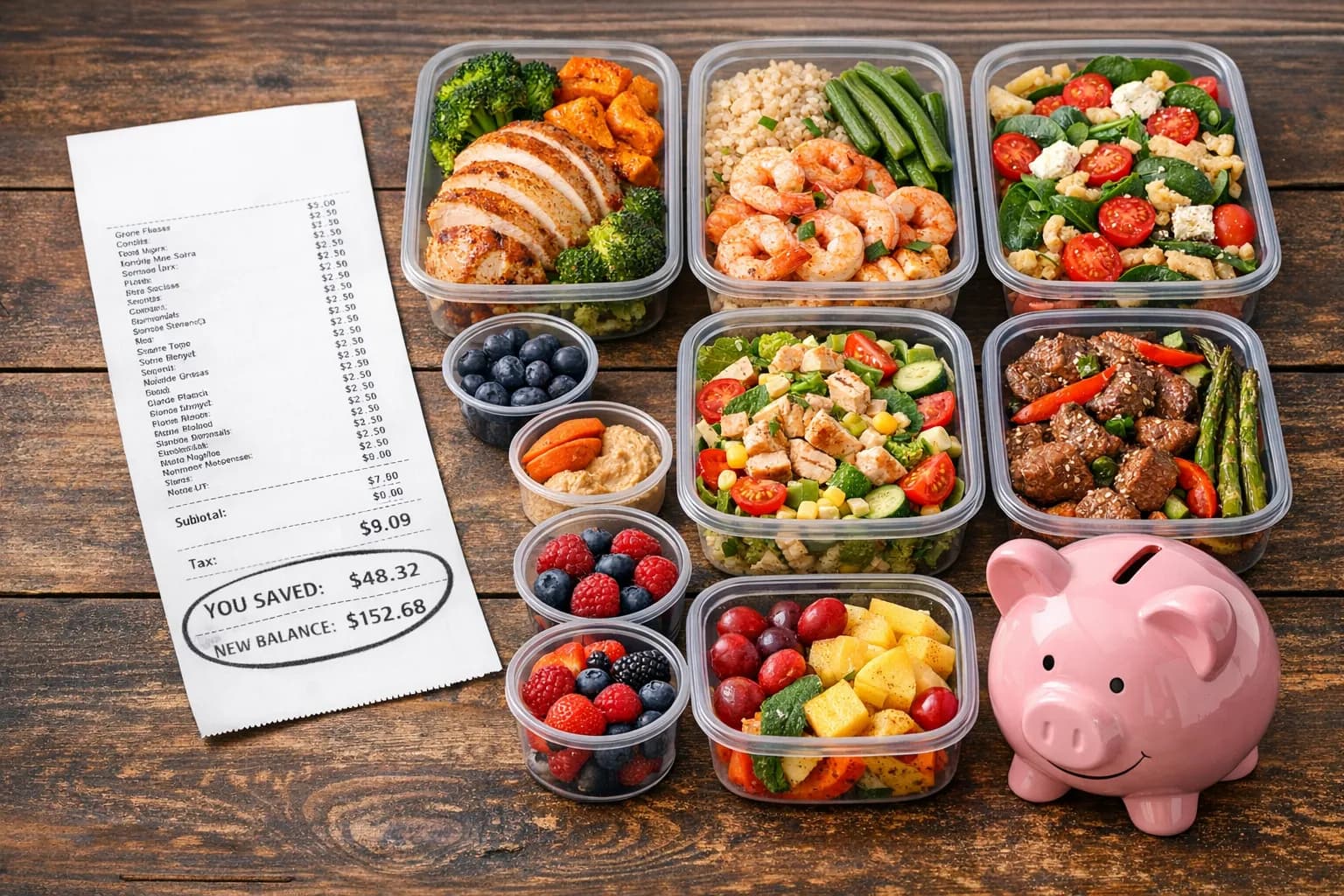
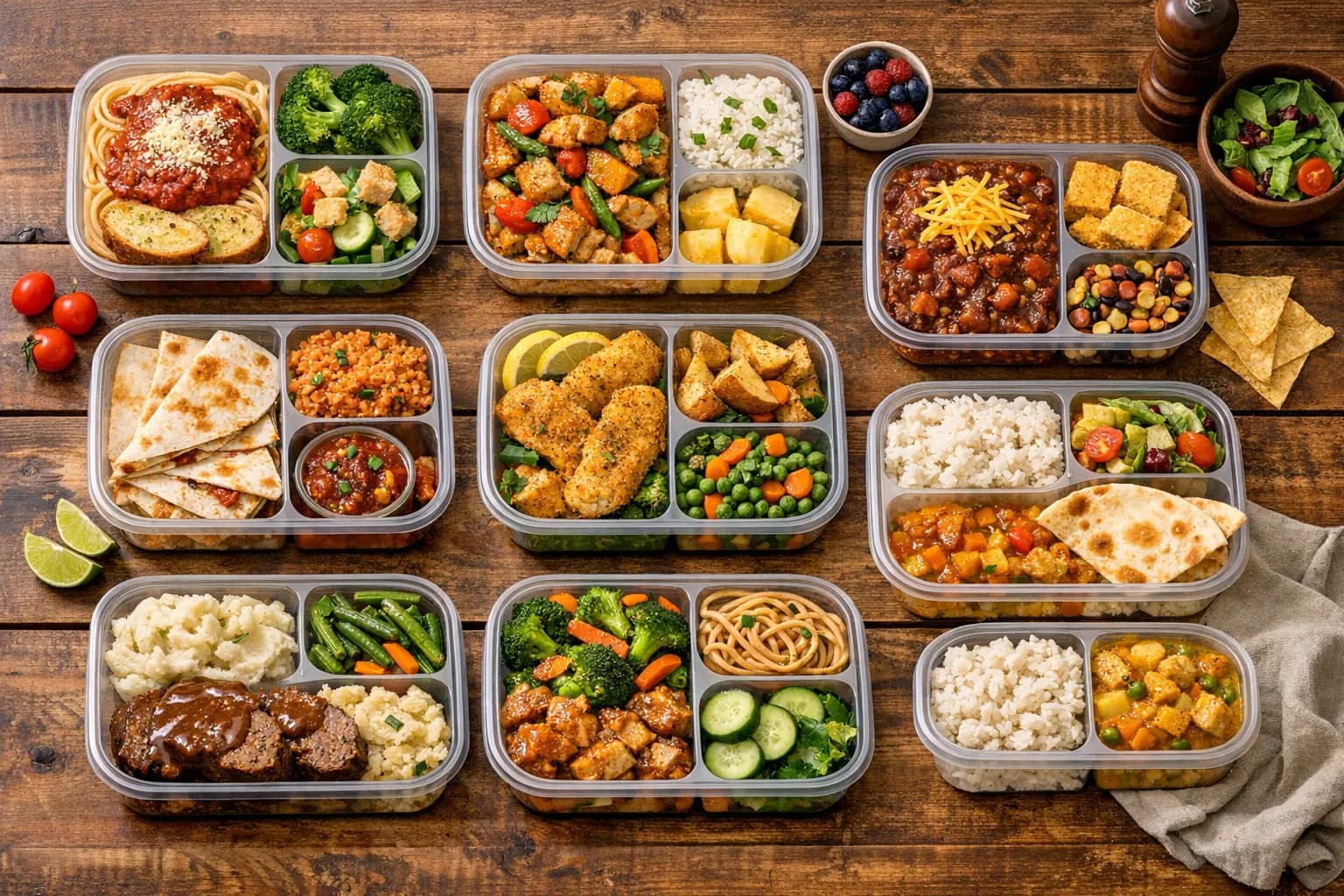
Meal Planning on a Tight Budget: How to Feed Your Family for $50 a Week
Extreme budget meal planning strategies to feed your family for $50 a week. Includes pantry-first cooking, markdown shopping tips, and 10 meals under $2 per serving.
There is a gap between the budget advice you usually hear and the budget you actually have. Most "budget meal planning" articles assume $100 to $150 per week for a family. That is not tight. Tight is $50 a week. Tight is choosing between buying onions or buying garlic because both feels like a luxury. Tight is knowing that a single impulse purchase at the grocery store means something else gets cut.
If $50 per week is your reality, this guide is for you. Not theory, not vague suggestions to "buy in bulk" without acknowledging that bulk buying requires upfront cash you may not have. These are strategies that work when money is genuinely scarce, tested by families who have lived on these budgets and still put three meals a day on the table.
The number one principle: planning is not optional at this budget level. Every dollar has a job before you walk into the store. And that planning is exactly what separates families who eat well on $50 from families who run out of food by Thursday.
The Pantry-First Approach to Extreme Budget Cooking
Most people plan meals and then shop. When you are cooking on $50 a week, you reverse the process. You start with what you already have, build meals around it, and only buy what is absolutely necessary to fill gaps.
Taking a Pantry Inventory
Before you spend a single dollar, pull everything out of your pantry, fridge, and freezer. Every can of tomatoes, every half-bag of rice, every forgotten package of frozen vegetables buried behind the ice cream. Write it all down.
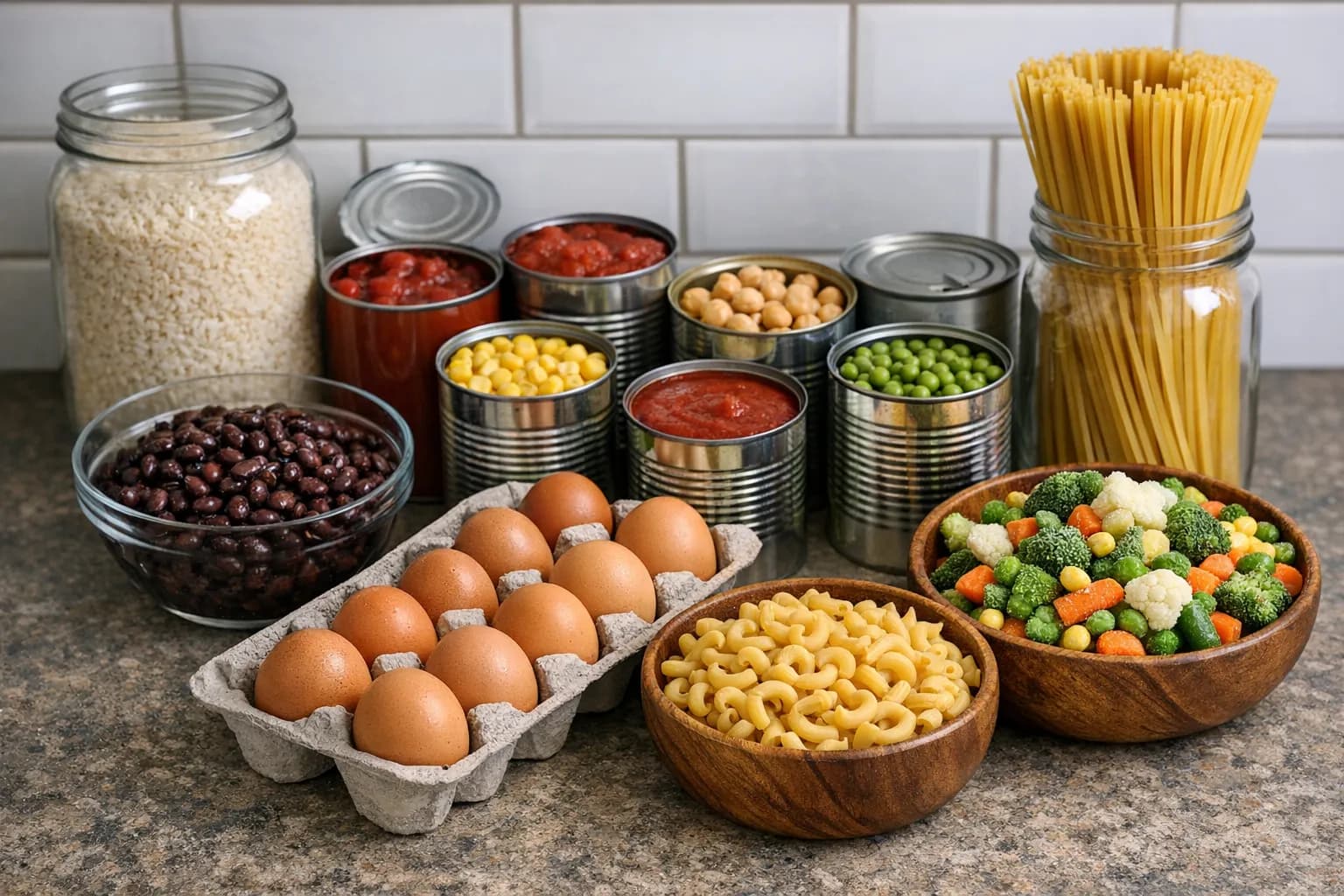
You will almost always find more than you expected. A pound of dried beans, some pasta, a few cans of corn, maybe oatmeal you bought on sale three months ago. These are not random items. They are the foundation of this week's meals.
Building Meals From What You Have
Once you know what is in your pantry, build meals outward from those ingredients. If you have rice, dried beans, canned tomatoes, and some spices, you have red beans and rice. If you have pasta and canned tuna, you have tuna pasta. If you have oats and peanut butter, you have breakfast handled for the entire week.
Only after you have planned meals from existing ingredients should you look at what you need to buy. Your shopping list should be short and specific. Not "vegetables" but "one bag of frozen mixed vegetables, one yellow onion, one head of garlic." Specificity prevents overspending.
This pantry-first approach typically cuts 20 to 30 percent off your grocery bill immediately because you stop buying things you already have in slightly different forms.
Ready to simplify your meal planning?
Join UseMealPlanner and get AI-generated recipes tailored to your preferences, dietary needs, and schedule.
Download the AppStrategic Shopping on an Extreme Budget
When every dollar matters, how and where you shop makes a dramatic difference. These are not generic "use coupons" suggestions. These are specific tactics for stretching $50 as far as it can go.
Loss Leaders and Weekly Ads
Every grocery store runs loss leaders, items priced below cost to get you through the door. Common loss leaders include chicken leg quarters at $0.59 per pound, eggs at $1.99 a dozen, or butter at $2 per pound. These deals change weekly.
Check your local store's weekly ad before you plan your meals. If chicken thighs are on sale for $0.99 per pound, that becomes your primary protein this week. If cabbage is $0.39 per pound, you are eating coleslaw, stir-fried cabbage, and cabbage soup. Your meal plan follows the sales, not the other way around.
Markdown Shopping
Most grocery stores mark down meat, bread, and produce that are approaching their sell-by dates. The timing varies by store, but the pattern is consistent. Learn it.
- Meat markdowns: Usually happen in the morning, between 8 and 10 AM. Look for the yellow or orange sticker. Markdown meat is perfectly safe; it just needs to be cooked or frozen within a day or two.
- Bread markdowns: Often late morning or early afternoon. Day-old bread makes excellent toast, French toast, bread pudding, and croutons.
- Produce markdowns: Slightly bruised apples, bananas with brown spots, wilting lettuce. Bruised fruit goes into smoothies or baked goods. Wilting vegetables get cooked into soups and stir-fries where texture does not matter.
A family that shops markdowns consistently can save 30 to 50 percent on proteins alone. That is the difference between eating chicken twice a week and eating it four times.
The Stores That Stretch Your Dollar
Not all grocery stores are created equal at the $50 level.
- Aldi and Lidl: Consistently 20 to 40 percent cheaper than traditional grocery stores for staples. Limited selection works in your favor because it reduces decision fatigue and impulse purchases.
- Ethnic grocery stores: Asian, Latin American, and Middle Eastern markets often have dramatically lower prices on produce, rice, spices, and proteins. A 25-pound bag of jasmine rice at an Asian market costs what a 5-pound bag costs at a regular grocery store.
- Dollar stores (for pantry items only): Canned beans, canned tomatoes, spices, pasta, oats, and peanut butter are often exactly the same brands found elsewhere at higher prices. Do not buy fresh food at dollar stores.
- Walmart Neighborhood Market: Price-matches and consistently low prices on basics. The Great Value store brand is one of the cheapest options available nationally.
For a deeper dive into structuring your week around budget-friendly meals, check out our complete weekly meal plan for a family of 4 on a budget, which breaks down exactly how to build a full week of meals for under $100.
10 Meals Under $2 Per Serving
These are not aspirational numbers. Each cost estimate assumes grocery store prices in an average-cost US metro area, no coupons, no extreme couponing, and feeding four people.
1. Rice and Beans ($0.65 per serving)
One pound of dried pinto beans ($1.50), two cups of rice ($0.60), one onion ($0.50), garlic, cumin, and salt (from pantry). Total: roughly $2.60 for four generous servings. This is the single cheapest complete protein meal you can make. Beans and rice together form a complete amino acid profile, so nutritional value is high despite the low cost.
2. Egg Fried Rice ($0.85 per serving)
Three cups of cooked rice ($0.45), four eggs ($0.80), frozen mixed vegetables ($1.00), soy sauce and sesame oil (from pantry). Total: about $3.40 for four servings. Use day-old rice for best results, which makes this an ideal way to repurpose leftover rice from other meals.
3. Lentil Soup ($0.70 per serving)
One pound of dried lentils ($1.50), one can of diced tomatoes ($0.80), one onion ($0.50), two carrots ($0.40), garlic and spices (from pantry). Total: about $2.80 for four large servings. Lentils do not require soaking, so this goes from dry ingredients to finished soup in about 35 minutes.
4. Pasta with Garlic and Oil ($0.55 per serving)
One pound of spaghetti ($1.00), six cloves of garlic ($0.20), olive oil ($0.30), red pepper flakes and parmesan (from pantry). Total: about $2.20 for four servings. The Italian classic aglio e olio proves that some of the best food in the world is peasant food made from almost nothing.
5. Black Bean Tacos ($0.90 per serving)
Two cans of black beans ($1.60), one packet of corn tortillas ($1.50), one onion ($0.50), lime, cumin, chili powder (from pantry). Total: about $3.60 for four servings. Top with shredded cabbage instead of lettuce. Cabbage is cheaper, lasts longer in the fridge, and adds better crunch.
6. Baked Potato Bar ($0.95 per serving)
Four large russet potatoes ($2.00), one can of chili ($1.50), shredded cheese ($0.80), butter and sour cream (from fridge). Total: about $3.80 for four servings. Baked potatoes are one of the most filling meals per dollar. The toppings make them feel like a real dinner rather than a side dish.
7. Chicken Thigh Stir-Fry ($1.40 per serving)
One and a half pounds of chicken thighs ($2.50), one bag of frozen stir-fry vegetables ($1.50), rice ($0.45), soy sauce and ginger (from pantry). Total: about $5.60 for four servings. Bone-in, skin-on thighs are the cheapest, but boneless saves prep time. Watch for sales and stock up.
8. Cabbage and Sausage Skillet ($1.25 per serving)
One head of cabbage ($1.50), one package of smoked sausage ($2.50), one onion ($0.50), oil and seasonings (from pantry). Total: about $5.00 for four servings. Slice everything, cook in one pan for 20 minutes. Smoked sausage adds flavor without needing additional seasoning.
9. Peanut Butter Noodles ($0.75 per serving)
One pound of spaghetti ($1.00), peanut butter ($0.50 worth), soy sauce ($0.10), garlic, ginger, a splash of vinegar (from pantry). Total: about $3.00 for four servings. Add frozen broccoli ($1.00) for a more complete meal, bringing the cost to $1.00 per serving. Kids tend to love this one.
10. Homemade Bean and Cheese Burritos ($1.10 per serving)
One can of refried beans ($1.00), flour tortillas ($2.00), shredded cheese ($0.80), rice ($0.45), salsa (from fridge). Total: about $4.40 for four servings. Assemble extras, wrap in foil, and freeze for quick lunches throughout the week.
When you need to scale any of these recipes up or down based on how many people you are feeding, our Recipe Scaler tool adjusts ingredient quantities automatically so nothing gets wasted.
Free Tool
Recipe Scaler
Scale any recipe up or down instantly to match your family size and avoid waste.
Building a $50 Weekly Grocery List
Here is what a $50 grocery list actually looks like, assuming you have basic pantry staples (oil, salt, pepper, spices, soy sauce, peanut butter, and oats) already on hand.
Proteins ($12-14)
- Chicken leg quarters or thighs, 3-4 lbs (on sale): $4-5
- Eggs, 2 dozen: $4-5
- Dried lentils, 1 lb: $1.50
- Dried pinto beans, 1 lb: $1.50
- Canned black beans, 2 cans: $1.60
Starches ($8-10)
- Rice, 5 lb bag: $4-5
- Pasta, 2 lbs: $2
- Corn tortillas, 1 package: $1.50
- Potatoes, 5 lb bag: $3
Produce ($8-10)
- Onions, 3 lb bag: $2-3
- Garlic, 1 head: $0.50
- Carrots, 2 lb bag: $1.50
- Cabbage, 1 head: $1.50
- Bananas, 1 bunch: $1.50
- Frozen mixed vegetables, 2 bags: $2-3
Dairy ($6-8)
- Butter: $2-3
- Block cheese: $3-4
- Milk (or powdered milk if cheaper): $2-3
Pantry Fill-Ins ($4-6)
- Canned diced tomatoes, 2 cans: $1.60
- Canned refried beans: $1
- Flour tortillas: $2
That totals $38 to $48, leaving a small buffer for a treat, an unexpected sale item, or a gap in your pantry staples. The key is that this list supports over 20 different meals when combined with what you already have.
Tip
Buy block cheese instead of pre-shredded. Block cheese is cheaper per ounce, lasts longer in the fridge because it does not have the anti-caking agents that cause shredded cheese to dry out, and melts better. A box grater takes 30 seconds and saves you roughly 30 percent.
Making $50 Stretch Through the Whole Week
Having the right groceries is only half the equation. How you use them determines whether you run out by Wednesday or coast comfortably into the weekend.
Cook Once, Eat Twice (or Three Times)
Every time you cook, make more than you need. A pot of rice should be big enough for three meals. A batch of beans should last through several dinners and lunches. A whole chicken should be roasted on Day 1, appear in sandwiches on Day 2, and become soup stock on Day 3.
This is not about eating the same thing repeatedly. It is about transforming the same base ingredient into different meals. Monday's roasted chicken becomes Tuesday's chicken quesadillas and Wednesday's chicken soup. Same chicken, three completely different dinners.
Waste Nothing
At $50 a week, food waste is money in the trash can. Literally.
- Vegetable scraps: Save onion skins, carrot peels, and celery ends in a bag in the freezer. When the bag is full, simmer it with water for an hour to make vegetable stock. Free stock is better than boxed stock.
- Stale bread: Toast it for breadcrumbs, cube it for croutons, or soak it in an egg mixture for French toast.
- Overripe bananas: Freeze them. Frozen bananas blend into smoothies, go into banana bread, or get mashed into oatmeal for natural sweetness.
- Leftover rice: Fried rice exists specifically to repurpose day-old rice. Cold rice actually fries better than fresh rice because it has less moisture.
Strategic Freezing
When you find an exceptional deal on meat, buy as much as you can afford and freeze the excess immediately. Portion it into meal-sized amounts before freezing so you can thaw only what you need.
The same principle applies to bread. When bakery bread gets marked down to $1, buy three loaves and freeze two. Frozen bread toasts perfectly and thaws to room temperature in about 20 minutes.
Common Budget Traps to Avoid
The Convenience Tax
Pre-cut vegetables, pre-seasoned meats, single-serve anything, and individually wrapped portions all carry a convenience premium of 30 to 200 percent. A bag of baby carrots costs twice as much per pound as whole carrots. Pre-made rice costs four times what dry rice costs. At this budget level, you are paying for convenience with food you will not be able to buy later in the week.
The Coupon Illusion
Coupons are useful only if they are for items you were already planning to buy. A coupon for $1 off name-brand cereal that costs $4.50 is still more expensive than the $2 store brand. Most coupons are designed to make you buy things you would not otherwise purchase, which is the opposite of budget meal planning.
The Fresh Produce Trap
Fresh produce is wonderful, but it is also perishable. At $50 a week, a $4 bag of salad greens that wilts before you use half of it is a painful loss. Prioritize produce that lasts: cabbage (up to three weeks in the fridge), carrots (two weeks), onions (a month), potatoes (two to three weeks), and frozen vegetables (months). Buy fresh leafy greens only in amounts you will use within two to three days.
If you are also navigating picky eaters on top of a tight budget, our guide to meal planning for picky eaters has strategies for keeping meals both affordable and family-approved.
Scaling Up When Things Get Better
A tight budget is not always permanent. When your financial situation improves, the skills you developed at the $50 level translate directly into spending less even when you can afford to spend more. You will always know how to read a weekly ad, spot a markdown, build meals from pantry staples, and stretch a single protein across multiple meals.
The difference is that with a larger budget, you get to add variety, more fresh produce, and an occasional splurge. But the foundation of smart, planned, intentional grocery shopping stays with you.
Key Takeaway
Meal planning on a tight budget comes down to three principles: start with what you already have, let store sales dictate your proteins and produce, and cook in batches so every ingredient appears in multiple meals. The 10 meals listed above all cost under $2 per serving and rely on ingredients available at any grocery store. Planning is not optional at $50 a week. It is the single most powerful tool you have.