Meal Planning to Save Money: 15 Tips That Cut Grocery Bills by $1,500+ Per Year
Data-backed strategies for saving $1,500-2,400 per year through meal planning. 15 actionable tips covering grocery store tactics, seasonal buying, store brands, and waste reduction.
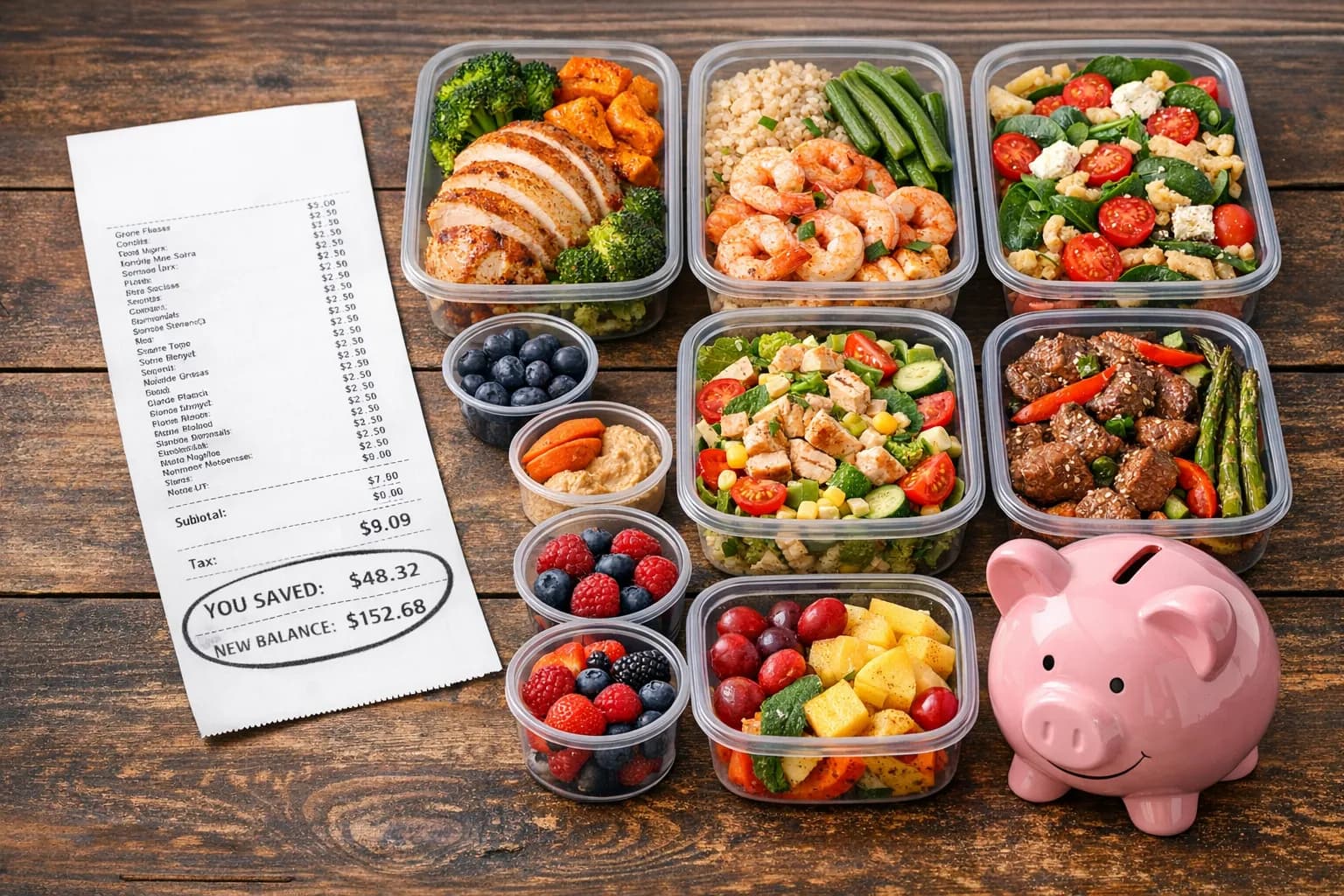
The average American household spent $6,129 on food at home in 2024, according to the Bureau of Labor Statistics. A separate USDA study found that between 30 and 40 percent of the U.S. food supply goes to waste, with the average household throwing away approximately $1,500 worth of food per year. These two numbers tell a clear story: most families are not spending too much on food. They are wasting too much of what they buy.
Meal planning attacks this problem directly. When you plan your meals before you shop, you buy only what you will use, you cook with intention, and you eliminate the three biggest budget killers: impulse purchases, food waste, and last-minute takeout orders. Families who adopt consistent meal planning typically save between $1,500 and $2,400 per year, not by eating less or eating worse, but by eliminating the inefficiencies that silently drain grocery budgets every week.
This guide breaks down 15 specific, actionable strategies organized by category. These are not vague suggestions. Each tip includes the reasoning behind it and a concrete way to implement it starting this week.
How Meal Planning Saves Money: The Math
Before diving into individual tips, it helps to understand where the savings actually come from. There are four primary sources.
Reduced food waste accounts for the largest share. The NRDC estimates that a family of four wastes roughly $1,500 annually on food that is purchased but never eaten. Meal planning cuts this by 50 to 75 percent because you buy with a specific plan for every ingredient.
Fewer impulse purchases save another $20 to $40 per week. Research from the Food Marketing Institute shows that shoppers without a list spend 40 percent more per trip than those who shop from a plan. Over 52 weeks, that adds up to $1,000 to $2,000.
Less takeout and delivery saves $50 to $100 per month for most families. When you know what is for dinner and the ingredients are ready, the temptation to order out drops significantly.
Smarter ingredient use creates savings through cross-utilization. When one rotisserie chicken appears in three different meals across the week, you extract maximum value from every dollar spent on protein.
Combined, these four effects produce annual savings of $1,500 to $2,400 for a typical family of four. For specific weekly plans that demonstrate this approach, see Weekly Meal Plan for a Family of 4 on a Budget.
Ready to simplify your meal planning?
Join UseMealPlanner and get AI-generated recipes tailored to your preferences, dietary needs, and schedule.
Download the AppCategory 1: Grocery Store Strategies
Tip 1: Shop With a List and Stick to It
This is the foundational habit. A grocery list tied to a weekly meal plan eliminates the wandering-the-aisles behavior that leads to impulse buying. The data is unambiguous: shoppers who use a list spend 20 to 40 percent less per trip.
How to implement it: Write your meal plan first, then derive the list from it. Group items by store section (produce, dairy, meat, pantry) so you move efficiently through the store without backtracking through temptation zones. Leave your list on your phone so it is always accessible.
Tip 2: Never Shop Hungry
This sounds like a cliche, but it has been validated by research. A study published in JAMA Internal Medicine found that hungry shoppers bought 31 percent more high-calorie products and spent significantly more than those who shopped after eating. Your pre-shopping snack is a legitimate budget tool.
How to implement it: Eat a small meal or snack within an hour of shopping. Even an apple and a handful of nuts is enough to shift your decision-making away from impulse toward intention.
Tip 3: Use the Unit Price, Not the Sticker Price
Every grocery store displays a unit price on the shelf label, usually cost per ounce or per 100 grams. The sticker price tells you what the item costs. The unit price tells you what the food costs. These are different questions with different answers.
A $4.99 bag of store-brand oats at $0.12 per ounce is dramatically cheaper than a $3.49 box of instant oatmeal packets at $0.58 per ounce, even though the instant oatmeal has a lower sticker price. Training yourself to read unit prices consistently saves 15 to 25 percent on groceries without changing what you eat.
How to implement it: For your first few shopping trips, consciously check the unit price on every item you pick up. After a few weeks, it becomes automatic. Focus especially on staples you buy repeatedly: rice, pasta, flour, oil, canned goods, and frozen vegetables.
Tip 4: Shop the Perimeter First, Then the Aisles
The perimeter of most grocery stores contains produce, meat, dairy, and bakery. The interior aisles contain processed, packaged, and convenience foods, which are almost always more expensive per serving than their whole-food counterparts. A bag of dried beans costs $1.50 and makes 10 servings. A can of baked beans costs $2.00 and makes 3 servings.
How to implement it: Start your shopping trip along the perimeter, filling your cart with fresh ingredients from your list. Enter the aisles only for specific pantry items you have identified on your plan. This physical routing reduces exposure to products you did not plan to buy.
Tip 5: Shop at Two Stores Instead of One
Different stores have different strengths. A discount grocer like Aldi or Lidl typically has staples at 20 to 40 percent below conventional supermarket prices. Your regular supermarket may have better produce selection or specific brands you prefer. Shopping at two stores takes an extra 20 minutes but can save $15 to $30 per week.
How to implement it: Buy pantry staples, dairy, and frozen goods at the discount store. Buy fresh produce and specialty items at your regular store. Many families do the discount store trip biweekly for shelf-stable items and the regular store weekly for perishables.
Category 2: Smart Buying Strategies
Tip 6: Buy Seasonal Produce
Out-of-season produce is shipped from distant growing regions, which adds transportation costs and middlemen to the price. In-season produce is abundant, local (or closer to local), and priced to sell quickly. The price difference can be dramatic: strawberries cost $1.50 to $2.00 per pound in June and $4.00 to $5.00 per pound in December.
How to implement it: Learn the basic seasonal calendar for your region. In winter, build meals around root vegetables, cabbage, citrus, and apples. In spring, shift to asparagus, peas, and leafy greens. Summer means tomatoes, zucchini, corn, berries, and stone fruit. Fall brings squash, sweet potatoes, and pears. Plan your weekly meals around whatever is cheapest and freshest at the store.
Tip 7: Embrace Store Brands
Store-brand products are, in most cases, manufactured in the same facilities as name-brand products using identical or nearly identical ingredients. A 2023 Consumer Reports analysis found that store brands were an average of 25 percent cheaper than national brands, with no measurable difference in quality for staple items like canned tomatoes, flour, pasta, frozen vegetables, butter, and cooking oil.
How to implement it: Switch to store brands for commodity items first: rice, pasta, canned goods, flour, sugar, oil, frozen vegetables, and dairy basics. Keep name brands only for products where you genuinely notice a difference, which is typically fewer than you think.
Tip 8: Buy Proteins in Bulk and Freeze
Protein is usually the most expensive line item on a grocery receipt. Buying in bulk when prices are low and freezing in meal-sized portions is one of the highest-impact budget moves you can make. Chicken thighs at $1.49 per pound on sale versus $3.29 at regular price represents a 55 percent savings.
How to implement it: Watch for sales on chicken, ground beef, pork shoulder, and ground turkey. When prices drop below your target, buy enough for two to four weeks. Divide into meal-sized portions (1 to 1.5 pounds per bag for a family of four), label with the date and weight, and freeze. Pull portions to the fridge the night before you plan to use them.
When you cook with bulk-purchased proteins, the Recipe Scaler helps you adjust recipe quantities to match whatever portion size you thawed, so nothing goes to waste.
Free Tool
Recipe Scaler
Adjust any recipe to match the exact portion of protein you have on hand. No waste, no guesswork.
Tip 9: Stock a Deep Pantry of Versatile Staples
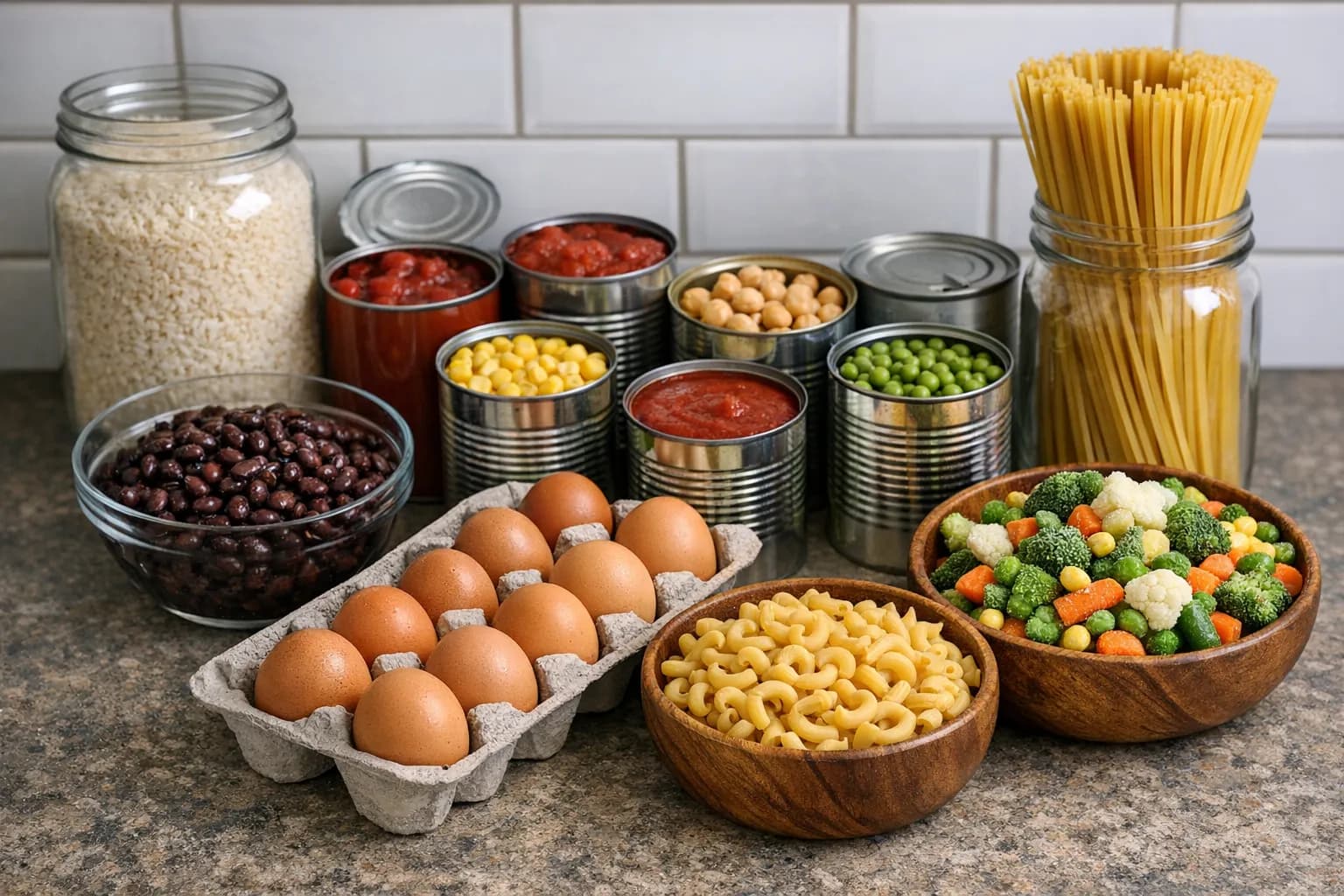
A well-stocked pantry turns cheap ingredients into complete meals. When you have rice, pasta, canned tomatoes, beans, spices, oil, and vinegar on hand, your weekly shopping list shrinks to just fresh proteins, produce, and dairy. This reduces your per-trip spending and means you always have a fallback dinner available without resorting to takeout.
How to implement it: Build your pantry gradually over four to six weeks, adding two or three items per trip beyond your regular list. The core pantry should include: rice, pasta, oats, flour, canned tomatoes, canned beans (black, chickpea, kidney), dried lentils, olive oil, vegetable oil, soy sauce, vinegar, chicken broth, and a basic spice set (salt, pepper, cumin, paprika, garlic powder, chili powder, oregano, cinnamon).
Category 3: Waste Reduction Strategies
Tip 10: Cook What You Have Before It Spoils
The most expensive food in your kitchen is the food you throw away. A head of broccoli that goes limp in the crisper drawer cost you the full purchase price plus the cost of whatever you bought to replace it. Meal planning prevents this by assigning every perishable item to a specific meal on a specific day.
How to implement it: When building your weekly plan, schedule the most perishable ingredients for early in the week. Fresh fish on Monday. Leafy greens on Tuesday and Wednesday. Hardier vegetables like carrots, cabbage, and potatoes later in the week. This natural ordering means nothing sits in the fridge long enough to spoil.
Tip 11: Use the "Leftover Ladder" Technique
Professional kitchens waste almost nothing because they transform leftovers into new dishes rather than serving the same meal twice. A roast chicken on Sunday becomes chicken sandwiches on Monday, chicken soup on Tuesday, and the carcass makes stock for risotto on Wednesday. Each transformation costs almost nothing in additional ingredients but produces a distinct meal.
How to implement it: When planning your week, intentionally build connections between meals. Roast extra vegetables on Monday to use in a frittata on Tuesday. Cook double rice on Wednesday to make fried rice on Thursday. Bake extra chicken to use in wraps the next day. This is not about eating leftovers. It is about cooking once and eating differently multiple times.
Tip 12: Master the Freezer
Your freezer is a savings account for food. Bread that is about to go stale, herbs that are wilting, bananas turning brown, leftover soup, extra cooked grains — all of these freeze well and can be retrieved weeks later when you need them. A family that uses their freezer strategically wastes 40 to 60 percent less food than one that does not.
How to implement it: Dedicate one shelf or section of your freezer to "rescue items" — food that would otherwise be wasted. Freeze overripe bananas for smoothies. Freeze bread slices for toast. Freeze leftover soup in single-serving containers for emergency lunches. Freeze herb paste (herbs blended with olive oil) in ice cube trays. Every item rescued from the trash can is money saved. For a complete guide on freezer-based meal prep, see The Complete Freezer Meal Prep Guide.
Category 4: Planning and Preparation Strategies
Tip 13: Plan Your Meals Around Sales, Not the Other Way Around
Most meal planners start with recipes and then shop for ingredients. Budget-conscious meal planners start with what is on sale and then choose recipes that use those ingredients. This inversion saves 15 to 30 percent on proteins and produce because you are always buying at the lowest available price.
How to implement it: Check your grocery store's weekly circular (available online or in their app) before you plan your meals. If chicken thighs are on sale, plan two chicken meals. If ground beef is discounted, plan a chili and a pasta sauce. If broccoli is at a low price, build two side dishes around it. Let the sales drive the menu, and the menu will always be affordable.
Tip 14: Batch Cook to Reduce Energy and Ingredient Costs
Running your oven for one hour to cook three different items costs the same in energy as running it for one hour to cook one item. Batch cooking exploits this by filling the oven (or stovetop) with multiple dishes at once, reducing both energy costs and the incidental waste that comes from opening multiple packages of ingredients across multiple cooking sessions.
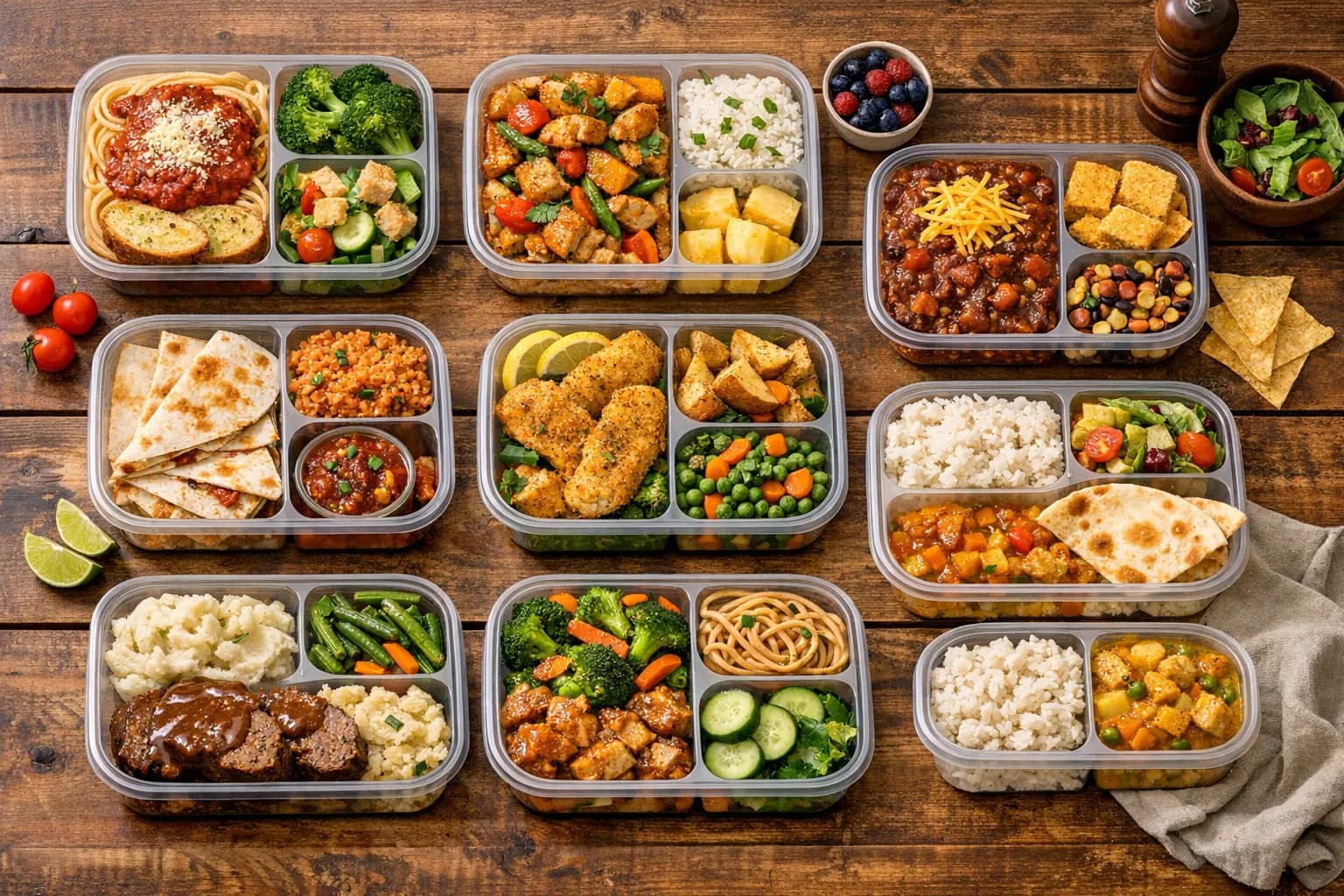
How to implement it: Choose one day per week (typically Sunday) for a focused batch cooking session of 90 minutes to two hours. Cook a large pot of grains, a big batch of protein, a pot of soup or chili, and a sheet pan of roasted vegetables simultaneously. This produces components for four to five dinners and several lunches, all from a single cooking session. For a detailed walkthrough of this approach, see Easy Meal Prep for Working Parents.
Tip 15: Track Your Spending for One Month
You cannot improve what you do not measure. Most families dramatically underestimate their food spending because it is spread across many small transactions: the main grocery trip, the midweek top-up, the convenience store stop, the takeout order, the coffee shop visit. Only by tracking every food-related purchase for a full month do you get an accurate picture.
How to implement it: For four consecutive weeks, save every receipt and log every food purchase, including dining out, coffee, snacks, and grocery delivery fees. At the end of the month, total it up and categorize it: groceries, restaurants, delivery, coffee, and snacks. Most families are shocked by the total, and that shock creates the motivation to plan seriously.
Tip
After tracking for one month, set a weekly grocery budget that is 20 percent below your current average spending. Use meal planning to stay within that number. Most families find that the 20 percent reduction is easy to achieve through planning alone, without changing what they eat in any meaningful way.
Putting It All Together: A Weekly Savings Workflow
Here is how these 15 tips combine into a practical weekly routine that takes about 30 minutes of planning time and saves $30 to $50 per week.
Saturday (10 minutes): Check the grocery store circular for sales. Identify which proteins, produce, and staples are discounted this week.
Saturday (15 minutes): Build your meal plan for the week based on what is on sale. Assign perishable ingredients to earlier days. Plan at least two meals that share a base protein or grain. Derive your grocery list from the plan.
Sunday morning (60-90 minutes): Shop with your list at one or two stores. Follow the perimeter-first strategy. Check unit prices on staples. Buy store brands for commodity items.
Sunday afternoon (90 minutes): Batch cook for the week. Cook grains, prep proteins, chop vegetables, assemble one or two make-ahead meals. Store everything labeled with the day it is assigned to.
Throughout the week: Follow the plan. Use the leftover ladder to transform components into new meals. Freeze anything at risk of spoiling before you can use it.
This workflow becomes automatic within three to four weeks. The planning time shrinks as you build a rotation of familiar meals, and the savings accumulate steadily. Over a year, a family of four following this approach consistently saves $1,500 to $2,400 — enough to fund a vacation, pay down debt, or build an emergency fund.
Why Small Changes Compound Into Large Savings
The power of meal planning for saving money is not in any single dramatic change. It is in the accumulation of small, consistent improvements across every food-related decision you make. Switching to store-brand pasta saves $0.75 per week. Buying chicken on sale saves $3. Eliminating one takeout order saves $25. Wasting two fewer items per week saves $6. None of these individually feels transformative. But combined across 52 weeks, they produce savings that genuinely change your financial picture.
The most important step is simply starting. You do not need to implement all 15 tips simultaneously. Pick three that feel achievable this week. Add two more next month. Build the system gradually, and let the savings build with it.
Key Takeaway
Meal planning saves the average family $1,500 to $2,400 per year by attacking four sources of waste: food that spoils before it is used, impulse purchases at the grocery store, last-minute takeout orders, and inefficient use of ingredients. The 15 strategies in this guide — spanning grocery store tactics, smart buying, waste reduction, and planning workflows — work best when adopted gradually and practiced consistently. Start with a weekly meal plan, a grocery list, and the habit of shopping sales. The savings compound from there.
Ready to simplify your meal planning?
Join UseMealPlanner and get AI-generated recipes tailored to your preferences, dietary needs, and schedule.
Download the App