Gluten-Free Family Meal Plan: A Complete 7-Day Guide
A practical 7-day gluten-free meal plan the whole family will enjoy, plus tips on avoiding hidden gluten, preventing cross-contamination, and stocking a GF pantry.
Feeding a family is already a logistical challenge. Add a gluten-free requirement into the mix, whether because of celiac disease, a gluten sensitivity, or a family member who simply feels better without it, and the difficulty goes up significantly. Suddenly you are reading every label, second-guessing sauces, and fielding complaints about "weird bread."
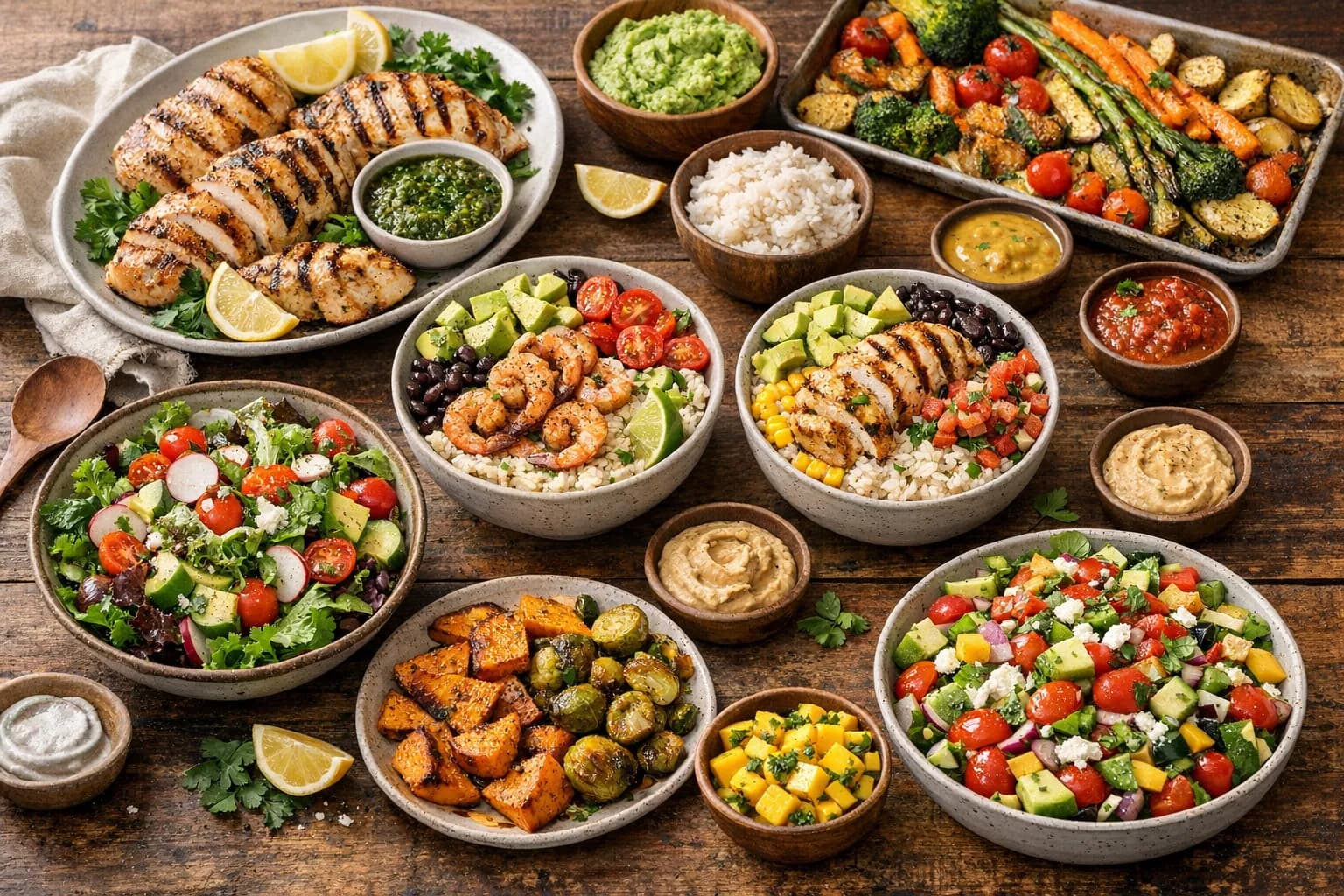
The good news is that gluten-free family cooking has come a long way. The key is not to build an entirely separate menu around specialty products, but to lean into meals that are naturally gluten-free, things the whole family will enjoy without even noticing anything is missing. Rice-based dishes, proteins with vegetable sides, Mexican-inspired meals with corn tortillas, stir-fries, curries, and grain bowls all fit naturally into a gluten-free framework.
This guide gives you a complete seven-day meal plan, a list of pantry staples to keep stocked, and the practical knowledge you need to avoid the most common gluten-free pitfalls.
Understanding Gluten-Free Cooking for Families
Before diving into the plan, it is worth being clear about what gluten-free actually means in practice. Gluten is a protein found in wheat, barley, rye, and triticale. It is also present in many processed foods where you would not expect it: soy sauce, certain broths, salad dressings, marinades, some spice blends, and even some medications and supplements.
For someone with celiac disease, even trace amounts of gluten can cause an immune response that damages the small intestine. For others with non-celiac gluten sensitivity, the consequences are less severe but still unpleasant: bloating, fatigue, headaches, and digestive discomfort.
The practical difference matters for how you approach cooking. If someone in your household has celiac disease, you need to be rigorous about cross-contamination. If the issue is a sensitivity, you have a bit more flexibility, but the cooking principles are the same.
Ready to simplify your meal planning?
Join UseMealPlanner and get AI-generated recipes tailored to your preferences, dietary needs, and schedule.
Download the AppThe 7-Day Gluten-Free Family Meal Plan
This plan is designed around meals that are naturally gluten-free rather than relying heavily on specialty GF products. Every dinner is something the whole family can eat, no separate meals required.
| Day | Breakfast | Lunch | Dinner |
|---|---|---|---|
| Monday | Greek yogurt parfaits with fresh berries, honey, and GF granola | Turkey and cheese roll-ups with carrot sticks, hummus, and apple slices | Herb-roasted chicken thighs with roasted sweet potatoes and steamed green beans |
| Tuesday | Scrambled eggs with sauteed spinach and GF toast | Leftover chicken over mixed greens with avocado and lemon vinaigrette | Beef and vegetable stir-fry with tamari sauce over jasmine rice |
| Wednesday | Smoothie bowls with banana, frozen berries, almond butter, and chia seeds | Black bean and corn quesadillas on corn tortillas with salsa and sour cream | Baked salmon with quinoa pilaf and roasted broccoli |
| Thursday | Overnight oats made with certified GF oats, milk, and maple syrup | Rice paper spring rolls with shrimp, vegetables, and peanut dipping sauce | Slow cooker chicken tortilla soup with corn tortilla strips and avocado |
| Friday | Banana pancakes (2 eggs, 1 mashed banana) with maple syrup | Tuna salad lettuce wraps with cherry tomatoes and cucumber | Homemade pizza on GF cauliflower crust or store-bought GF pizza crust |
| Saturday | Veggie-loaded frittata with potatoes, bell peppers, and cheese | Leftover tortilla soup with GF cornbread muffins | Grilled flank steak with chimichurri, corn on the cob, and black bean salad |
| Sunday | GF waffles or pancake mix with fresh fruit and whipped cream | Chicken Caesar salad with GF croutons (or skip croutons entirely) | One-pot coconut curry with chickpeas, sweet potato, and spinach over basmati rice |
Monday
Tuesday
Wednesday
Thursday
Friday
Saturday
Sunday
Notes on the Plan
The meals are designed to overlap. Monday's roasted chicken creates leftovers for Tuesday's lunch salad. Thursday's tortilla soup becomes Saturday's lunch. This intentional overlap reduces cooking effort and food waste.
Every dinner feeds a family of four comfortably. Portions are generous enough for seconds. If you have bigger eaters or teenagers, increase the protein portions by about 50 percent.
Breakfasts are deliberately simple. Weekday mornings do not allow for elaborate cooking. Smoothie bowls, yogurt parfaits, and overnight oats take five minutes or less. The more involved breakfasts (frittata, pancakes) are saved for the weekend.
You can rearrange the days freely. There is nothing magical about the order. If Wednesday looks busier than expected, swap it with a simpler meal from another night. The grocery list stays the same either way.
Common Gluten-Free Pitfalls and How to Avoid Them
Hidden Gluten in Everyday Foods
The most frustrating part of gluten-free cooking is discovering gluten in products that seem like they should be safe. Here are the most common offenders:
Soy sauce is made with wheat. This catches people constantly. Use tamari (make sure the label says gluten-free) or coconut aminos instead. The flavor is nearly identical in cooked dishes.
Oats are naturally gluten-free but are almost always contaminated with wheat during processing. Unless the package specifically says "certified gluten-free oats," assume they contain traces of gluten. This applies to oat milk, oat flour, and oat-based granola as well.
Broth and bouillon cubes frequently contain wheat as a thickener or flavor carrier. Check the ingredients list every time, even on brands you have used before, because formulations change. Better yet, find a brand you trust and stick with it.
Salad dressings and marinades often use wheat flour or malt vinegar as thickeners or flavor components. Making your own vinaigrette takes 30 seconds and eliminates the uncertainty entirely: olive oil, acid (lemon juice or vinegar), salt, pepper, done.
Seasoning blends and spice mixes sometimes include wheat flour as an anti-caking agent. Individual spices are almost always safe; it is the pre-mixed blends where problems hide.
Processed meats like sausages, deli meats, and meatballs may contain wheat-based fillers or binders. Read labels, or buy from brands that explicitly market as gluten-free.
Tip
When in doubt about a packaged product, look for third-party gluten-free certification on the label. In the US, the FDA requires that products labeled "gluten-free" contain fewer than 20 parts per million of gluten. Certified GF products from organizations like GFCO are tested to even stricter standards, typically under 10 ppm.
Cross-Contamination in the Kitchen
If someone in your household has celiac disease, cross-contamination is a serious concern. Gluten does not wash off easily, and even tiny amounts transferred from one surface to another can trigger a reaction.
Cutting boards and wooden utensils absorb gluten and cannot be fully cleaned. Either designate separate boards for GF cooking or use non-porous materials like glass or plastic that can be thoroughly washed.
Toasters are a major contamination source. Bread crumbs from regular wheat bread will contaminate GF bread every time it goes through the same toaster. Either dedicate a separate toaster for GF bread, use toaster bags, or use the oven broiler instead.
Shared cooking water is another hidden vector. If you boil regular pasta and then use the same water for GF pasta, the GF pasta is contaminated. Use fresh water every time.
Colanders, baking sheets, and pans need thorough cleaning between uses. Cast iron and non-stick pans with scratched surfaces are harder to fully clean, so consider keeping a dedicated set for GF cooking if celiac is a concern.
Shared condiment jars get contaminated when someone dips a knife that has touched regular bread into the butter or jam. Use squeeze bottles for condiments, or keep separate containers labeled clearly.
Building a Gluten-Free Pantry
Having the right staples on hand makes gluten-free cooking feel natural rather than restrictive. These are the items you should always keep stocked.
Grains and Starches
- Rice (jasmine, basmati, brown, and arborio for risotto) is the most versatile GF grain
- Quinoa is protein-rich and cooks in 15 minutes
- Certified GF oats for breakfast and baking
- Corn tortillas for tacos, quesadillas, and enchiladas
- Rice noodles for stir-fries and soups
- Potatoes and sweet potatoes for roasting, mashing, or baking
- GF pasta made from rice, corn, chickpea, or lentil flour (find a brand your family likes and buy in bulk)
- Cornstarch and tapioca starch for thickening sauces and gravies
Proteins
- Fresh, unprocessed meats, poultry, and fish are inherently gluten-free
- Canned beans (black, kidney, chickpeas, white beans) are naturally GF and incredibly versatile
- Eggs are one of the most GF-safe protein sources and belong in virtually every meal plan
- Tofu and tempeh (check labels; some tempeh contains barley)
Flavor Builders
- Tamari (GF soy sauce) or coconut aminos
- Apple cider vinegar and rice vinegar
- Canned tomatoes (diced, crushed, and paste)
- Coconut milk (full-fat for curries, light for soups)
- Individual spices rather than pre-mixed blends: cumin, paprika, chili powder, oregano, garlic powder, onion powder
- Good olive oil for cooking and finishing
- GF chicken and vegetable broth (keep a trusted brand stocked)
Baking
- GF all-purpose flour blend (a reliable commercial blend is easier than mixing your own)
- Almond flour for cookies, pancakes, and coatings
- Coconut flour (absorbs more liquid; use sparingly)
- Baking powder and baking soda (naturally GF, but double-check brands)
- Xanthan gum if your GF flour blend does not include it; this replaces the binding function of gluten in baked goods
If you need to swap an ingredient mid-recipe, the Ingredient Substitution Finder can help you find gluten-free alternatives that work in context, whether you need a swap for breadcrumbs, flour, or soy sauce.
Tips for Getting the Whole Family on Board
The hardest part of gluten-free family cooking is not the cooking itself. It is managing expectations, especially with kids.
Lead with Naturally GF Meals
The single best strategy is to cook meals that are inherently gluten-free rather than gluten-free versions of glutenous foods. A child who has been told "we are having the gluten-free version of pasta" is primed to find fault with it. A child who has been told "we are having stir-fry with rice" does not think about gluten at all.
The meal plan above is built around this principle. Most of the dinners, like the roasted chicken, the stir-fry, the salmon with quinoa, the curry, and the steak, are naturally GF. The only meal that highlights the "substitute" aspect is the GF pizza on Friday, and even that is positioned as pizza night, not gluten-free pizza night.
Keep GF Snacks Visible and Accessible
Stock the snack shelf with options that are obviously gluten-free: fresh fruit, cheese sticks, popcorn, rice cakes, GF pretzels, nut butter with apple slices, and yogurt cups. If GF snacks are the most convenient option, they become the default choice without any negotiation.
Do Not Make It a Big Deal
The more attention you draw to the dietary restriction, the more it feels like a restriction. Cook the food, serve the food, eat the food. Kids especially pick up on parental anxiety. If you treat gluten-free meals as normal meals, they become normal meals.
Handle Mixed Households Practically
In many families, only one person needs to eat gluten-free. You have two options: cook entirely GF for everyone (simplest, and the approach this meal plan uses), or cook a shared base with a GF option alongside a regular option.
The second approach works for things like pasta night: cook GF pasta in one pot and regular pasta in another, use the same sauce. Or for taco night: put out both corn and flour tortillas and let everyone choose. The extra effort is minimal, and nobody feels deprived.
Meal Prepping for a Gluten-Free Week
Spending 30 minutes after your grocery run on basic prep makes the entire week run smoother:
-
Cook a large batch of rice. Store it in the fridge. It is the base for Monday's dinner, Tuesday's stir-fry, and can supplement any meal that needs a quick side.
-
Wash and prep vegetables. Chop bell peppers, broccoli florets, and sweet potatoes. Store them in airtight containers. Pre-prepped vegetables cut dinner cooking time by 10 to 15 minutes.
-
Marinate Monday's chicken. A simple marinade of olive oil, lemon juice, garlic, salt, and herbs takes two minutes to put together. The chicken absorbs the flavor over the next day or two.
-
Make a batch of vinaigrette. Three parts olive oil, one part lemon juice or vinegar, salt, pepper, a teaspoon of Dijon mustard. Shake it in a jar. It keeps for two weeks and means salad is always five minutes away.
-
Check all packaged ingredients for GF status. Do this once during prep, not every night while cooking. Verify that your broth, soy sauce, oats, spice blends, and any other packaged items are certified gluten-free.
Beyond the First Week
A single week of meal planning is useful, but the real value comes from building a rotation. After cooking through this plan, you will have seven dinners that work. The following week, keep three or four favorites and swap in new meals for the rest. Within a month, you will have 15 to 20 reliable GF family dinners in your rotation, and planning becomes almost automatic.
If you are also navigating picky eaters alongside gluten-free requirements, you are dealing with two constraints at once. For strategies on managing selective eaters within a meal plan, take a look at Meal Planning for Picky Eaters, which covers techniques for introducing new foods gradually while keeping meals stress-free.
An AI meal planner can accelerate this process significantly. Instead of hunting for GF recipes manually, you can set your dietary preferences once and generate a new week of meals in seconds. UseMealPlanner lets you specify gluten-free as a dietary requirement and generates recipes that are naturally GF, not just regular recipes with substitutions bolted on.
Key Takeaway
A successful gluten-free family meal plan centers on naturally GF meals rather than substitute versions of wheat-based dishes. Stock your pantry with rice, quinoa, corn tortillas, tamari, and GF pasta as staples. Watch for hidden gluten in soy sauce, oats, broth, seasoning blends, and processed meats. Prevent cross-contamination with dedicated cutting boards, a separate toaster, and fresh cooking water. Most importantly, do not make it a production: cook good food that happens to be gluten-free, and the whole family will eat it without complaint.
Ready to simplify your meal planning?
Join UseMealPlanner and get AI-generated recipes tailored to your preferences, dietary needs, and schedule.
Download the App