High Protein Meal Plan for Muscle Building: A Complete 7-Day Guide
A science-backed 7-day high protein meal plan for muscle building with approximately 150g of protein per day. Covers optimal protein intake, best sources, meal timing around workouts, and practical prep strategies.
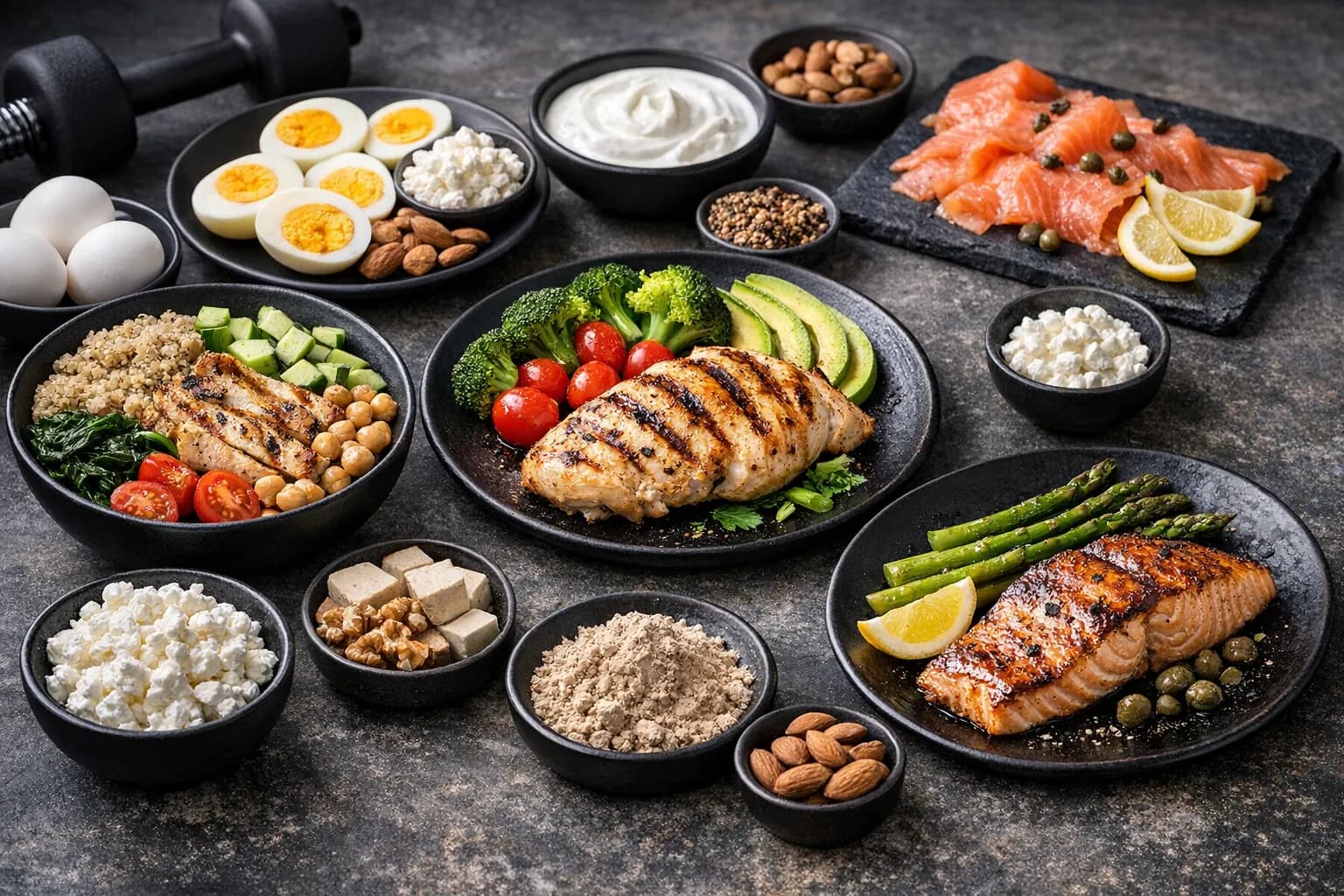
Building muscle requires two things that cannot be shortcut: progressive resistance training and adequate protein intake. You can train perfectly, sleep eight hours a night, and manage stress like a monk, but if you are not eating enough protein, muscle growth stalls. The biology is non-negotiable — muscle protein synthesis requires amino acids, and those amino acids come from the protein you eat.
The challenge is not understanding this. Most people who train seriously know they need protein. The challenge is consistently hitting their protein target day after day without resorting to protein shakes for every other meal, eating the same chicken breast and rice three times a day, or spending two hours every evening cooking. That is where meal planning becomes the difference between knowing what to do and actually doing it.
This guide provides a complete 7-day high-protein meal plan that delivers approximately 150 grams of protein per day from whole food sources. It also covers the science behind protein needs for muscle building, ranks the best protein sources by quality and practicality, and addresses meal timing around workouts — what actually matters and what is marketing noise.
How Much Protein Do You Actually Need?
The fitness industry loves to debate protein intake, and the recommendations you see range from conservative (0.8g per kilogram of body weight, which is the general population RDA) to extreme (3g+ per kilogram, promoted by some supplement companies). The research has converged on a clear answer for people who train with resistance.
The Evidence-Based Range: 1.6 to 2.2g Per Kilogram
A landmark meta-analysis published in the British Journal of Sports Medicine in 2018, which pooled data from 49 studies and over 1,800 participants, concluded that protein intakes of 1.6 grams per kilogram of body weight per day are sufficient to maximize resistance-training-induced gains in muscle mass. The researchers found diminishing returns above this threshold, with no statistically significant additional benefit beyond 2.2g/kg.
In practical terms, for common body weights:
- 70 kg (154 lbs): 112 to 154g protein per day
- 80 kg (176 lbs): 128 to 176g protein per day
- 90 kg (198 lbs): 144 to 198g protein per day
- 100 kg (220 lbs): 160 to 220g protein per day
The meal plan in this guide targets approximately 150g of protein per day, which falls in the optimal range for most trainees between 70 and 95 kg. If you are significantly lighter or heavier, adjust portions accordingly.
When to Aim Higher Within the Range
There are specific scenarios where targeting the upper end (2.0 to 2.2g/kg) provides measurable benefit:
- During a caloric deficit (cutting): Higher protein intake preserves lean mass when calories are restricted. A study by Helms et al. (2014) recommends 2.3 to 3.1g/kg of lean body mass during energy restriction for lean athletes.
- For natural trainees: Without pharmacological assistance, the body's capacity for muscle protein synthesis is more limited, and maximizing every input matters more.
- For older trainees (40+): Anabolic resistance — the reduced muscle protein synthesis response to a given protein dose that occurs with aging — means older lifters benefit from higher total protein intake and larger per-meal doses (40g+ per meal rather than 25-30g).
Ready to simplify your meal planning?
Join UseMealPlanner and get AI-generated recipes tailored to your preferences, dietary needs, and schedule.
Download the AppBest Protein Sources Ranked by Quality
Not all protein is created equal. Protein quality depends on two factors: amino acid profile (does it contain all essential amino acids in sufficient amounts?) and digestibility (how efficiently does your body absorb and use it?). The Digestible Indispensable Amino Acid Score (DIAAS) is the current gold standard for measuring protein quality.
Tier 1: Complete, Highly Bioavailable Proteins
These should form the backbone of your protein intake.
Eggs — DIAAS score of 1.13 (the highest of any whole food). Six grams of protein per large egg. The yolk contains half the protein plus all the fat-soluble vitamins, so do not default to egg whites unless you are specifically cutting calories. Two to four eggs at breakfast is a simple, inexpensive foundation.
Chicken breast — 31g protein per 100g cooked. Lean, versatile, affordable, and universally available. The workhorse of high-protein eating for good reason. Thighs have slightly more fat and slightly less protein per gram but are more flavorful and forgiving to cook.
Salmon and fatty fish — 25g protein per 100g cooked, plus omega-3 fatty acids that support recovery and reduce exercise-induced inflammation. Wild salmon, sardines, and mackerel are the best options.
Greek yogurt — 15 to 20g protein per 170g serving (plain, full-fat or 2%). A versatile food that works at breakfast, as a snack, or as a base for sauces. Choose brands with live cultures for the gut health benefits.
Lean beef (sirloin, tenderloin, 93% lean ground) — 26g protein per 100g cooked. Rich in creatine, iron, zinc, and B12 — nutrients that directly support training performance and recovery. Red meat two to three times per week provides nutritional value that is difficult to replicate from other sources.
Cottage cheese — 11g protein per 100g. Slow-digesting casein protein makes it an excellent pre-bed option.
Tier 2: Solid Supporting Sources
These contribute meaningful protein and should appear regularly in your plan.
Turkey breast — 29g protein per 100g cooked. Functionally interchangeable with chicken breast in most recipes.
Shrimp and white fish (cod, tilapia, mahi-mahi) — 20 to 24g protein per 100g cooked with very low fat content, making them useful when you need protein without significant additional calories.
Lean pork (tenderloin, loin chops) — 26g protein per 100g cooked. Often overlooked, pork tenderloin is comparable to chicken breast in macronutrient profile and is typically less expensive.
Whey protein powder — DIAAS score of 1.09. Useful as a supplement when whole food intake falls short, but it should not be your primary protein source. One to two scoops per day is reasonable; more than that suggests your meal plan needs adjustment.
Tier 3: Plant-Based Proteins
These are lower in bioavailability and often incomplete in amino acid profile but contribute meaningfully when combined.
Tofu and tempeh — 8 to 19g protein per 100g depending on firmness and preparation. Tempeh is fermented and generally higher in protein. Both are complete proteins, though with lower DIAAS scores than animal sources.
Lentils and chickpeas — 9g protein per 100g cooked. Not complete proteins on their own, but when combined with grains (rice and beans, hummus with pita), they provide a full amino acid profile. High fiber content adds satiety.
Edamame — 11g protein per 100g. One of the highest-protein plant foods and a complete protein source.
Tip
When cooking proteins, internal temperature matters for both safety and texture. Chicken breast dries out above 74 C (165 F), while steak is best pulled from heat at specific temperatures depending on your preferred doneness. The Temperature Guide provides exact internal temperatures for every protein so you get the food safety and the texture right.
The 7-Day High-Protein Muscle Building Meal Plan
This plan delivers approximately 150g of protein per day across three main meals and one to two snacks. Total calories range from 2,200 to 2,600 per day depending on portion sizes and specific brands. Adjust portions up or down based on your caloric needs — if you are in a surplus for building, add carbohydrates and fats rather than reducing protein.
| Day | Breakfast | Lunch | Dinner |
|---|---|---|---|
| Monday | 4-egg omelet with spinach, mushrooms, and feta cheese. Side of whole grain toast with avocado (38g protein) | Grilled chicken breast salad with quinoa, chickpeas, cherry tomatoes, cucumber, and tahini dressing (48g protein) | Pan-seared salmon fillet with roasted sweet potatoes and steamed broccoli. Side of Greek yogurt with berries (52g protein) |
| Tuesday | Greek yogurt bowl with granola, mixed berries, walnuts, and a scoop of whey protein stirred in (40g protein) | Turkey and avocado wrap on whole wheat tortilla with mixed greens and hummus. Side of cottage cheese (44g protein) | Lean beef stir-fry with bell peppers, snap peas, and brown rice with soy-ginger sauce (50g protein) |
| Wednesday | Protein pancakes made with oats, eggs, cottage cheese, and banana. Topped with almond butter (36g protein) | Tuna salad with white beans, red onion, celery, and olive oil over mixed greens. Whole grain bread on the side (45g protein) | Baked chicken thighs with lemon-herb marinade, farro pilaf, and roasted asparagus (48g protein) |
| Thursday | Scrambled eggs (3) with smoked salmon, cream cheese, and chives on whole grain toast (42g protein) | Leftover chicken thigh sliced over a grain bowl with roasted vegetables, hummus, and feta (40g protein) | Pork tenderloin medallions with roasted Brussels sprouts and mashed sweet potatoes. Side of Greek yogurt (50g protein) |
| Friday | Overnight oats with protein powder, chia seeds, almond milk, and peanut butter (35g protein) | Shrimp and black bean burrito bowl with rice, salsa, corn, and avocado (43g protein) | Grilled sirloin steak with baked potato and a large mixed salad with olive oil dressing. Glass of milk (55g protein) |
| Saturday | Shakshuka — 3 eggs poached in spiced tomato sauce with crumbled feta and whole grain bread for dipping (30g protein) | Grilled chicken Caesar wrap with parmesan, romaine, and homemade dressing. Side of edamame (48g protein) | Baked cod with a Parmesan-herb crust, quinoa, and sauteed spinach with garlic. Cottage cheese for dessert (52g protein) |
| Sunday | Breakfast burrito — scrambled eggs, black beans, cheese, salsa, and avocado in a whole wheat tortilla (38g protein) | Pulled chicken soup with vegetables, white beans, and crusty bread (40g protein) | Herb-crusted lamb chops with roasted root vegetables and a Greek salad with feta and olives (50g protein) |
Monday
Tuesday
Wednesday
Thursday
Friday
Saturday
Sunday
How the Protein Distributes
The plan aims for roughly even protein distribution across meals rather than loading it all into dinner. Research by Mamerow et al. (2014) found that distributing protein evenly across three meals stimulated 24-hour muscle protein synthesis 25 percent more effectively than the same total protein consumed in a skewed pattern (light breakfast, moderate lunch, heavy dinner). Targeting 30 to 50g per meal and filling gaps with protein-rich snacks is the most effective approach.
Snack options to fill gaps (each providing 15-25g protein):
- Greek yogurt (200g) with a handful of almonds: 22g
- Two hard-boiled eggs with a piece of fruit: 12g
- Cottage cheese (200g) with sliced peaches: 22g
- A protein shake with milk (post-workout): 30g
- Turkey jerky (60g) with an apple: 18g
- Edamame (150g, shelled): 17g
Meal Timing Around Workouts
Nutrient timing is one of the most over-complicated topics in fitness nutrition. Here is what the research actually supports and what you can safely ignore.
What Matters: The Anabolic Window Is Wider Than You Think
The old advice that you must consume protein within 30 minutes of training or "waste" your workout has been thoroughly debunked. A comprehensive review by Schoenfeld, Aragon, and Krieger (2013) found that the "anabolic window" for post-exercise protein intake is at least 4 to 6 hours wide, and possibly longer. If you ate a protein-containing meal within two to three hours before training, you already have circulating amino acids available during and after your workout.
Practical recommendation: Eat a meal containing 30 to 40g of protein within a few hours before or after your workout. The exact timing is far less important than hitting your daily protein target consistently. If you train first thing in the morning fasted, having protein relatively soon after training (within an hour or two) is more important than if you trained two hours after lunch.
Pre-Workout Nutrition
The goal of pre-workout nutrition is to provide energy without gastrointestinal distress. What works depends on how close to training you eat.
Two to three hours before training: A full meal works well. Any of the lunches in the meal plan above are appropriate — the chicken salad, the burrito bowl, or the grain bowl all provide protein and carbohydrates that will be partially digested by the time you train.
60 to 90 minutes before training: A smaller, easily digestible option is better. Greek yogurt with fruit, a protein bar, a banana with peanut butter, or overnight oats all provide energy without sitting heavy.
30 minutes or less before training: Keep it minimal. A piece of fruit, a handful of dried fruit, or a small rice cake with honey. This is not the time for protein-dense foods, which take longer to digest.
Post-Workout Nutrition
After training, prioritize protein and carbohydrates. Protein provides the amino acids for muscle repair and growth. Carbohydrates replenish glycogen stores and enhance protein uptake via insulin.
A practical post-workout meal looks like: grilled chicken with rice and vegetables, a protein shake blended with banana and oats, or eggs with toast and avocado. If your next scheduled meal is within an hour or two of finishing your workout, you do not need a separate post-workout shake — just eat the meal.
Before Bed
Casein protein digests slowly, providing a sustained release of amino acids during sleep when muscle repair is at its peak. Research by Snijders et al. (2015) demonstrated that 40g of casein protein before sleep increased overnight muscle protein synthesis rates. Cottage cheese is the most practical whole-food source of casein. A 200g serving before bed adds 22g of protein to your daily total and supports overnight recovery.
Meal Prep Strategies for High-Protein Eating
Hitting 150g of protein per day from whole foods requires planning. Without prep, you will find yourself at 8 PM with 60g of protein left to eat and no good options. Here is how to stay ahead.
The Sunday Protein Prep
Spend 60 to 90 minutes on Sunday preparing proteins for the week.
- Grill or bake 1 kg of chicken breast. Season half with lemon-herb and half with a spice rub for variety. Slice and store in containers. This covers Monday's and Wednesday's lunches and Thursday's grain bowl.
- Hard-boil a dozen eggs. Peel them and store in the refrigerator. They keep for five days and are the fastest protein snack available — zero prep, zero cooking, 6g of protein each.
- Cook a batch of quinoa or farro. These grains appear multiple times in the plan and are tedious to cook from scratch on a weeknight. One large batch covers the week.
- Portion Greek yogurt and cottage cheese. Buy large containers (cheaper per serving than individual cups) and divide into grab-and-go portions.
- Marinate Thursday's pork tenderloin and Friday's steak. Store them in the refrigerator in sealed bags or containers. By Thursday and Friday, the flavors are deeply absorbed.
Scaling Recipes for Your Exact Needs
When you find a high-protein recipe that works, you want to be able to scale it precisely. Doubling a recipe is straightforward for most ingredients, but seasonings, cooking times, and liquid ratios do not always scale linearly. The Recipe Scaler handles the math so your scaled recipe tastes the same as the original.
Free Tool
Recipe Scaler
Scale any recipe up or down while keeping protein portions and flavors accurate.
Midweek Adjustments
By Wednesday or Thursday, check your inventory. If you are running low on prepped chicken, cook a quick batch of shrimp or slice some turkey breast as a substitute. If your grain supply is depleted, rice cooks in 20 minutes and can fill the gap. The point of the prep is to make weeknight cooking a 15-minute assembly job rather than a 45-minute production.
Common Mistakes in High-Protein Meal Planning
Relying Too Heavily on Supplements
Protein powder is a supplement, not a food. It fills gaps when whole food intake falls short — a post-workout shake when you cannot eat a full meal, or a scoop added to oatmeal to boost a meal that is otherwise low in protein. If you are drinking three shakes a day to hit your protein target, your meal plan needs restructuring. Whole foods provide micronutrients, fiber, and satiety that powders cannot replicate.
Neglecting Carbohydrates and Fats
In the pursuit of protein, it is easy to under-eat carbohydrates and fats. Both matter for muscle building. Carbohydrates fuel your training sessions and replenish glycogen. Fats support hormone production, including testosterone, which directly influences muscle growth. A meal plan that is all chicken breast and egg whites but short on rice, potatoes, olive oil, and avocado is undermining its own goal.
The meal plan above intentionally includes ample carbohydrate sources (sweet potatoes, rice, farro, quinoa, whole grain bread) and healthy fats (olive oil, avocado, nuts, salmon) alongside the protein.
Ignoring Vegetables
Vegetables do not build muscle directly, but they support the processes that do. The fiber aids digestion of large protein loads. The micronutrients — magnesium, potassium, vitamin C, folate — support recovery, immune function, and the enzymatic processes involved in muscle protein synthesis. Every meal in the plan includes at least one vegetable serving, and most include two.
Eating the Same Three Foods Every Day
Chicken, rice, and broccoli is a meme for a reason — it works, and it is simple. But nutritional monotony leads to micronutrient gaps and psychological burnout. The plan above rotates through chicken, salmon, beef, pork, cod, shrimp, lamb, eggs, and dairy across the week. Each protein source brings a different micronutrient profile, and the variety keeps eating enjoyable rather than mechanical.
Tracking and Adjusting
For the first two weeks of following this plan, track your protein intake using a food scale and a nutrition app. You do not need to track forever, but the initial calibration phase teaches you what 150g of protein actually looks like on a plate. Most people significantly overestimate their protein intake when they first start tracking — they think they are eating 130g and discover they are at 90g.
After two weeks of tracking, you will develop an intuitive sense of portion sizes and can ease off the tracking if it feels burdensome. Periodically re-check (one tracked day per week) to make sure your intuition has not drifted.
If the scale and mirror are not showing progress after four to six weeks of consistent training and this nutrition plan, the first variable to check is total caloric intake. You may need a larger overall surplus. Increase carbohydrates and fats by 200 to 300 calories per day while keeping protein steady. If you are gaining weight but it is not muscle, your training program likely needs adjustment rather than your nutrition.
For guidance on structuring meals efficiently within a busy schedule, the strategies in Easy Meal Prep for Working Parents translate directly to high-protein prep — the Sunday batch cooking approach, the five-container system, and the weeknight assembly method all work regardless of your macronutrient targets.
Key Takeaway
Muscle building requires 1.6 to 2.2 grams of protein per kilogram of body weight per day, distributed roughly evenly across three to four meals of 30 to 50g each. Build your plan around high-quality whole food sources — eggs, chicken, salmon, lean beef, Greek yogurt, and cottage cheese — rather than relying on supplements. The post-workout "anabolic window" is at least 4 to 6 hours wide, so meal timing matters far less than consistently hitting your daily total. Prep proteins in batch on Sunday, keep hard-boiled eggs and portioned Greek yogurt on hand for quick access, and rotate through diverse protein sources across the week to prevent both nutritional gaps and psychological burnout.
Ready to simplify your meal planning?
Join UseMealPlanner and get AI-generated recipes tailored to your preferences, dietary needs, and schedule.
Download the App